Heavy Duty Parts Marketing for Truck Parts, Components & Commercial Equipment Companies

Heavy-duty parts buyers search differently from ordinary retail consumers. Repair shops, fleets, owner-operators and commercial buyers often search by component, application, brand, availability and location – and they may need an answer quickly to get a truck or piece of equipment back into service.

Heavy Duty Advertising helps heavy-duty parts and equipment companies build stronger search visibility and generate qualified B2B inquiries through industry-specific SEO, paid search, content, websites and lead-generation systems.

Create Search Visibility Around the Parts You Actually Sell

A broad ‘truck parts’ page is rarely enough. Search engines need clear information about your major product categories, applications, service territory and commercial capabilities.

We can structure category and landing pages around engines, transmissions, differentials, radiators, driveline, suspension, electrical, braking components and other major inventory groups relevant to your business.

SEO for Heavy Duty Parts Suppliers

Technical SEO, category architecture, internal linking, localized content and product-focused educational resources can create a much larger organic footprint. The objective is to answer the specific searches buyers use when sourcing parts.

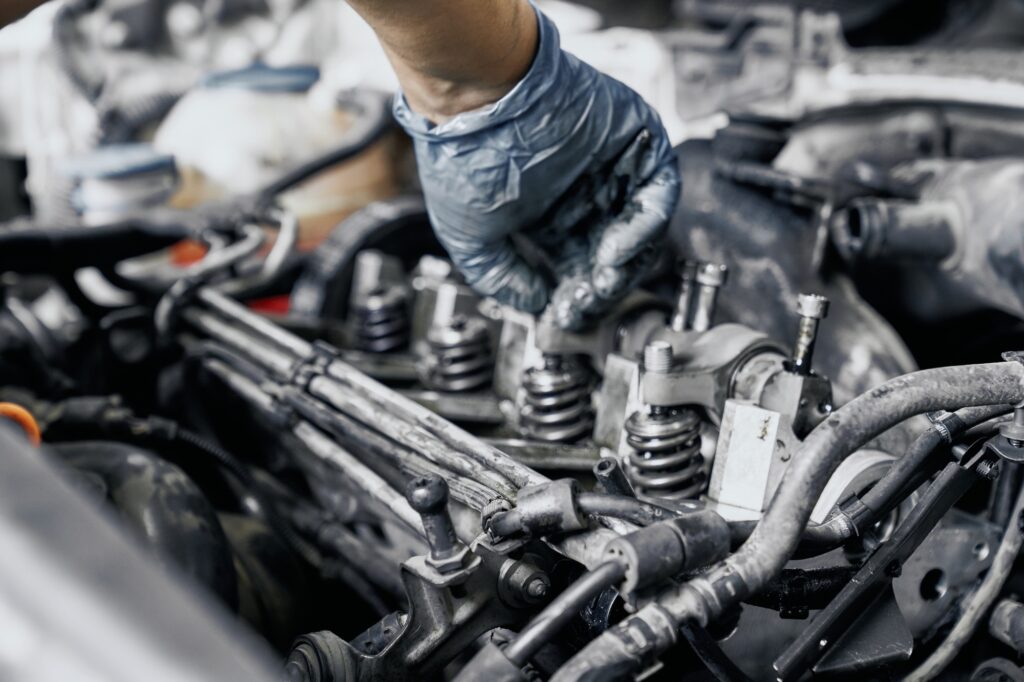
Close up of nozzles in diesel engine under opened bonnet

Google Ads for High-Intent Parts Searches

Paid search can capture buyers actively looking for a specific component or supplier. Campaigns can be segmented by category, geography and buyer intent, with conversion tracking focused on phone calls, quote requests and inventory inquiries.

This is particularly useful for high-value components where a single qualified sale can justify significant acquisition cost.

Generate More B2B and Fleet Relationships

Parts companies can grow beyond individual transactions by targeting repair facilities, fleets and commercial operators. Dedicated B2B landing pages, outreach campaigns, remarketing and automated follow-up can support longer sales cycles and repeat purchasing.

Get a Free SEO Audit

Read Our Case Studies

A mobile-first redesign and targeted SEO increased Get ‘R Done Truck Repair’s traffic by 375% across remote Alberta.

A strategic SEO and GMB optimization boosted Hart Transmission’s visibility and leads by 50% in Edmonton’s repair market.

A strategic website optimization and targeted marketing plan drove a 67% increase in sales for JMD Ventures, selling 80% of their inventory in just 90 days.

Our All Service Areas

Frequently Asked Questions

1. How can marketing help my heavy-duty parts business get more customers?

Heavy-duty parts marketing helps your business appear when repair shops, fleet managers, owner-operators, and commercial equipment companies are actively searching for components. Instead of targeting only broad terms such as “truck parts,” a focused strategy can target specific products, applications, brands, equipment types, and locations. SEO, Google Ads, category pages, educational content, local search, and lead tracking can work together to generate qualified calls, quote requests, inventory inquiries, and B2B opportunities.
Start with the product categories and components that are important to your business and have meaningful search demand. Depending on your inventory, this could include engines, transmissions, differentials, radiators, driveline components, suspension parts, electrical components, braking systems, and other commercial truck or equipment parts. Dedicated category pages give customers more specific information and help search engines understand what you actually sell. If certain brands, applications, or part types are particularly profitable, those may also deserve their own targeted landing pages.
There can be several reasons. Your website may have limited category content, weak internal linking, technical SEO problems, insufficient authority, or pages that do not clearly explain the products and applications you serve. A single “truck parts” page also may not provide enough relevance for searches involving specific components. Building a logical category structure with detailed product information, useful supporting content, optimized titles, internal links, and relevant local or commercial signals can give search engines a much clearer understanding of your inventory.
Yes. Google Ads can be particularly useful for high-intent searches where someone is actively looking for a specific component or supplier. Campaigns can be separated by product category, location, equipment type, and buyer intent. For example, someone searching for a particular heavy-duty transmission component may have much stronger purchase intent than someone searching broadly for “truck parts.” Tracking phone calls, quote requests, contact forms, and inventory inquiries helps determine which campaigns are generating actual commercial opportunities.
Your marketing should clearly communicate that you serve commercial buyers and explain the advantages of working with your company. Dedicated B2B pages can highlight inventory depth, brands, availability, sourcing capabilities, delivery options, commercial pricing where applicable, and support for recurring parts requirements. SEO and paid campaigns can target searches used by repair shops and fleet operators, while email, remarketing, and follow-up campaigns can keep your company in front of potential commercial accounts during longer purchasing cycles.
In most cases, yes, when those categories represent meaningful parts of the business. A structured website makes it easier for customers to navigate directly to engines, transmissions, differentials, suspension, electrical components, braking parts, or other categories. It also creates more opportunities to rank for specific searches. The pages should contain genuinely useful information rather than simply repeating the same text with different keywords. Clear category descriptions, applications, compatible equipment, brands, and purchasing information can make these pages considerably more valuable.
Location can be very important when customers prefer to source parts locally or need components quickly. A parts supplier can build local relevance through accurate business information, location pages where appropriate, Google Business Profile optimization, citations, locally relevant content, and clear information about delivery or pickup areas. Location targeting can also be applied to Google Ads. The strategy should reflect where the company genuinely serves customers rather than creating artificial location pages for areas where it has no meaningful presence.
A smaller supplier can compete by becoming highly relevant for specific products, applications, equipment types, brands, and markets rather than trying to outrank a large company for every broad “truck parts” search. Detailed category pages and useful technical content can answer questions that commercial buyers actually have. Strong local visibility can also provide an advantage in the markets you serve. Focusing on high-value niches and searches with clear purchase intent can be more productive than competing directly for every broad national keyword.
Yes, especially when the content answers questions that customers ask before purchasing a component. Useful topics could explain symptoms of a failing component, compatibility considerations, differences between parts, maintenance requirements, applications, or how to identify the correct replacement. This type of content can attract searchers earlier in the buying process and guide them toward relevant product or category pages. For technical B2B products, genuinely useful content can also demonstrate industry knowledge and build trust with repair professionals and fleet operators.
Track actions that are directly connected to commercial purchasing. Depending on your business model, this can include phone calls, quote requests, inventory inquiries, contact forms, product-page engagement, online purchases, and new B2B accounts. For Google Ads and SEO, identify which product categories, search terms, landing pages, and locations generate the strongest opportunities. Connecting marketing data with sales information gives you a much clearer picture of which campaigns are producing revenue rather than simply measuring traffic, impressions, or keyword rankings.

See How Our Strategies Deliver Real Results for Heavy-Duty Businesses

Grow Your Heavy Duty Parts Business Online

Heavy Duty Advertising can help organize your inventory categories, search strategy, paid campaigns and conversion paths into a digital marketing system designed for commercial heavy-duty buyers.

Let’s
Get Started

Are you ready to take your heavy-duty repair shop to the next level? Heavy Duty Advertising is here to help!Book a free consultation today, and let us craft a winning strategy to grow your business and dominate the market.
We specialize in digital marketing solutions tailored for the heavy-duty industry, including: