Mobile Truck Repair Marketing That Puts Your Service Truck in Front of Stranded Drivers

When a commercial truck breaks down, the customer is not casually researching options. The driver, dispatcher or fleet manager needs help now. That makes mobile truck repair one of the most search-intent-driven services in the heavy-duty industry.

Heavy Duty Advertising builds digital marketing systems designed to make mobile diesel and truck repair companies visible during those high-value moments – across Google Search, Google Maps, service-area pages, and conversion-focused landing pages.

Win High-Intent Emergency Truck Repair Searches

Mobile repair searches often include urgent terms such as mobile diesel mechanic, roadside truck repair, emergency truck repair and mobile heavy-duty mechanic. The objective is to place your business in front of the right searcher within the territory your service trucks can realistically cover.

We structure campaigns around services, locations and commercial intent so your budget and SEO effort focus on calls your team can actually service. For companies seeking recurring contracts, our commercial fleet lead generation strategy supports long-term account acquisition.

Local SEO and Google Maps for Mobile Diesel Service

A mobile business still needs a strong local entity. Google Business Profile optimization, service-area relevance, consistent citations, reviews, localized content and dedicated service pages all help search engines understand where you operate and what you repair.

Our diesel shop SEO framework can support the organic and local-search side of this strategy.

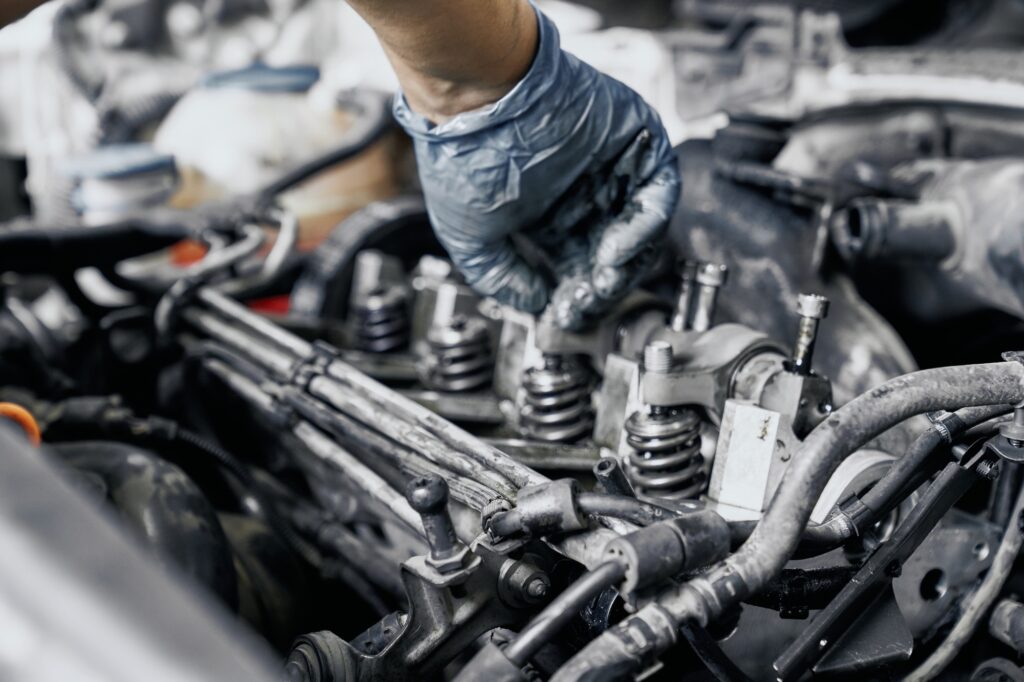
Close up of nozzles in diesel engine under opened bonnet

Google Ads for Breakdown and Roadside Demand

Paid search can be especially valuable when urgency is high. We build tightly themed campaigns around emergency services, truck types, repair categories and geographic coverage, then track phone calls and lead forms so campaign decisions are tied to actual inquiries.

Negative keywords and geographic controls help reduce irrelevant consumer traffic and searches outside your service radius.

Build a Website That Converts From a Phone

Most roadside prospects are searching from a mobile device. Pages need obvious click-to-call actions, service-area information, hours, capabilities and trust signals without forcing a stranded driver to dig through the site. That conversion strategy fits within our broader heavy duty repair shop marketing approach.

Get a Free SEO Audit

Read Our Case Studies

A mobile-first redesign and targeted SEO increased Get ‘R Done Truck Repair’s traffic by 375% across remote Alberta.

A strategic SEO and GMB optimization boosted Hart Transmission’s visibility and leads by 50% in Edmonton’s repair market.

A strategic website optimization and targeted marketing plan drove a 67% increase in sales for JMD Ventures, selling 80% of their inventory in just 90 days.

Our All Service Areas

Frequently Asked Questions

1. How can marketing help my mobile truck repair business get more roadside calls?

Mobile truck repair marketing puts your business in front of drivers, dispatchers, and fleet managers when they are actively searching for emergency or roadside assistance. The strategy can target searches such as mobile diesel mechanic, emergency truck repair, roadside truck repair, and mobile heavy-duty mechanic within the areas your service trucks can realistically reach. Local SEO, Google Maps, Google Ads, service-area pages, and mobile-friendly landing pages can work together to generate more qualified calls instead of relying solely on referrals or repeat customers.
Google Maps can be extremely important because customers experiencing a breakdown often search for nearby repair providers from their phones. A properly optimized Google Business Profile helps communicate what your company does, where you operate, which services you provide, and how customers can contact you. Your website, citations, reviews, and localized content should reinforce the same information. Even though your technicians travel to customers, your online presence still needs to clearly establish your service territory and capabilities.

Truck repair near me” can be valuable, but it should not be the only target. Mobile repair companies can also benefit from more specific searches such as “mobile diesel mechanic,” “roadside truck repair,” “emergency truck repair,” or searches combining a repair service with a location. The most valuable keywords depend on the equipment you service, emergency capabilities, geographic coverage, and the types of jobs your company wants. A strong campaign separates different search intents instead of treating every truck-related search as equally valuable.

Google Ads can place your business in front of people actively searching for help when a truck breaks down. Campaigns can be organized around emergency repair, roadside service, mobile diesel repair, truck types, repair categories, and specific service territories. Geographic targeting helps keep advertising focused on areas your technicians can actually reach, while negative keywords can reduce irrelevant searches from consumers or people outside your market. Call tracking is also important so you can determine which campaigns are generating genuine repair inquiries.
Yes. Even when the primary conversion is a phone call, your website can influence whether a stranded driver decides to call your company. Mobile users should immediately be able to see your phone number, service capabilities, coverage area, hours, and relevant trust information. Click-to-call functionality is particularly important because a customer dealing with a breakdown may not have time to navigate through multiple pages. A strong website also supports your Google Search and local SEO visibility.
Your marketing should clearly communicate the geographic territory your mobile technicians can realistically cover. Service-area content can explain the communities, highways, industrial areas, or broader regions you serve, while individual pages can target important markets where there is enough search demand. Your Google Business Profile, website, citations, and advertising campaigns should provide consistent geographic signals. The goal is to attract customers you can actually reach rather than generating calls from locations outside your practical service radius.
The best keywords depend on your services and customers, but common commercial-intent searches can include mobile diesel mechanic, mobile truck repair, roadside truck repair, emergency truck repair, mobile heavy-duty mechanic, and mobile diesel repair. More specific opportunities may involve particular repair services, truck types, equipment, or locations. Keyword selection should be based on the work you actually perform and the areas you serve. Targeting every truck-related keyword can waste marketing budget and generate calls that your technicians cannot service.
The website should be designed around the fact that many visitors may be dealing with an urgent breakdown. Your phone number and click-to-call buttons should be highly visible, particularly on mobile devices. Important information such as service areas, emergency capabilities, truck types, repair specialties, operating hours, and response information should be easy to find. Strong trust signals such as reviews, real service-truck photos, technician information, and relevant experience can also help customers feel confident enough to call.
Yes, but the local SEO strategy needs to accurately reflect the business model and Google’s eligibility requirements. A mobile service company can build local relevance through its business profile, service information, website content, reviews, citations, and service-area signals. The focus should be on accurately communicating where the business operates rather than attempting to create misleading locations. Consistency between your website and other online business information can help search engines better understand your company and the areas it serves.
You need to track actual inquiries rather than relying only on impressions, rankings, or website traffic. Call tracking can show which Google Ads campaigns, keywords, or landing pages generate calls, while form tracking can measure online inquiries. You can then compare those leads with your actual booked roadside jobs and revenue. This helps identify which services, locations, and advertising campaigns are producing worthwhile customers and allows you to shift marketing resources toward the opportunities that generate the strongest results.

See How Our Strategies Deliver Real Results for Heavy-Duty Businesses

Get More Calls for Your Mobile Repair Operation

Contact Heavy Duty Advertising to assess how your mobile truck repair company currently appears in Google Search and Maps, identify gaps in location and service coverage, and build a plan to generate more qualified roadside inquiries.

Let’s
Get Started

Are you ready to take your heavy-duty repair shop to the next level? Heavy Duty Advertising is here to help!Book a free consultation today, and let us craft a winning strategy to grow your business and dominate the market.
We specialize in digital marketing solutions tailored for the heavy-duty industry, including: