Heavy Equipment Repair Marketing for Shops, Field Service & Commercial Equipment Specialists

Heavy equipment repair customers are valuable because downtime is expensive. Contractors, industrial operators, construction companies and equipment owners need capable repair partners who understand diagnostics, field service, preventive maintenance and specialized machinery.

Heavy Duty Advertising helps heavy equipment repair companies become easier to find, easier to trust and easier to contact through specialized digital marketing built around commercial service demand.

Market the Equipment and Services You Actually Want to Repair

Generic mechanic marketing does not communicate the scope of a heavy equipment operation. Your website and search strategy should clearly define the equipment categories, repair capabilities, field-service options and geographic territory you support.

We build dedicated content around high-value services so search engines and prospects can understand the exact work your company performs.

SEO for Heavy Equipment Repair Companies

Organic growth comes from a structured website, technically sound pages, localized relevance and useful content around the problems your customers search for. Service pages can target diagnostics, hydraulic repair, electrical systems, undercarriage work, preventive maintenance, field service and other profitable specialties.

Our diesel shop SEO strategy provides a related framework for building search authority around commercial mechanical services.

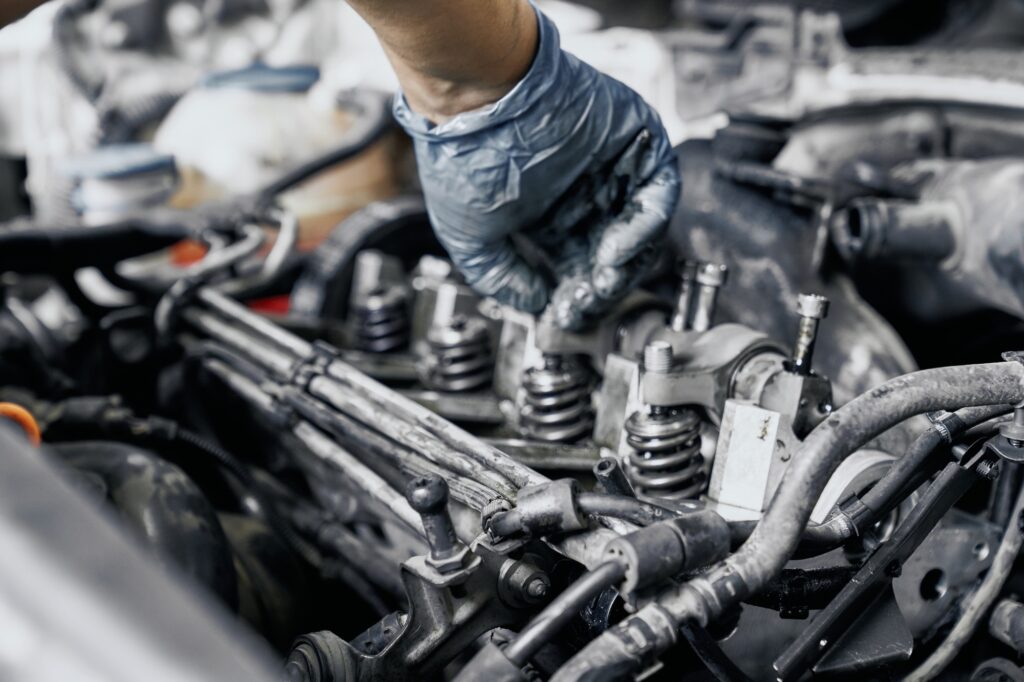
Close up of nozzles in diesel engine under opened bonnet

Capture Commercial Demand With Google Ads

Paid search can be especially valuable when urgency is high. We build tightly themed campaigns around emergency services, truck types, repair categories and geographic coverage, then track phone calls and lead forms so campaign decisions are tied to actual inquiries.

Negative keywords and geographic controls help reduce irrelevant consumer traffic and searches outside your service radius.

Build Authority With Proof, Content and Case Studies

Commercial buyers want evidence that you can handle their equipment. Project photos, technician expertise, service capabilities, testimonials, case studies and educational content can all strengthen conversion and organic relevance. These assets also support AI search visibility by creating clearer information about your expertise, services and industries served.

Get a Free SEO Audit

Read Our Case Studies

A mobile-first redesign and targeted SEO increased Get ‘R Done Truck Repair’s traffic by 375% across remote Alberta.

A strategic SEO and GMB optimization boosted Hart Transmission’s visibility and leads by 50% in Edmonton’s repair market.

A strategic website optimization and targeted marketing plan drove a 67% increase in sales for JMD Ventures, selling 80% of their inventory in just 90 days.

Our All Service Areas

Frequently Asked Questions

1. How can digital marketing help my heavy equipment repair shop get more customers?

Digital marketing helps your shop reach contractors, construction companies, fleet operators, industrial businesses, and equipment owners when they are actively looking for repair services. A strong strategy combines local SEO, service-specific website pages, Google Ads, useful content, and conversion tracking. Instead of marketing your business as a generic mechanic, the strategy focuses on the equipment, repairs, field services, and geographic areas you actually want to target. This makes it easier for potential customers to understand your capabilities and contact you when they need help.
A heavy equipment repair website should clearly explain the equipment you service, repair specialties, field-service capabilities, service areas, and types of customers you work with. Dedicated pages for services such as hydraulic repair, diagnostics, electrical repairs, undercarriage work, and preventive maintenance can help capture specific search demand. It is also important to include real project photos, technician experience, testimonials, case studies, clear calls to action, phone numbers, and contact forms. These elements help both search engines and prospective customers understand why your shop is qualified.
Yes, especially when your business wants to generate consistent long-term demand from organic search. Heavy equipment customers often search for specific problems, equipment types, and services rather than simply searching for a generic mechanic. SEO allows a repair company to create useful pages around those searches while building geographic relevance in the markets it serves. A technically sound website, strong internal linking, localized service pages, helpful content, and evidence of expertise can gradually improve visibility and bring qualified visitors without paying for every individual click.
Google Ads can be effective when campaigns are structured around high-intent searches and the services you actually want to sell. For example, campaigns can be separated by equipment repair, mobile field service, hydraulic repair, diagnostics, or other specialized services. Geographic targeting can also help prevent your budget from being spent on searches outside your service territory. Proper call tracking and lead-form tracking are important because the goal is not simply to generate clicks—it is to determine which campaigns, services, and locations are producing legitimate repair opportunities.
Mobile repair should be marketed as a specific service rather than being buried within a general repair page. Your website should explain what types of equipment your technicians can work on in the field, the areas you cover, common situations that require mobile service, and what customers can expect when they call. Local SEO can help you appear for searches involving mobile or field repair in your service territory, while Google Ads can capture customers who need immediate assistance. Real field-service photos and examples of completed jobs can further increase credibility.
Useful content should answer the questions your customers actually have before, during, and after a repair. Topics can include warning signs of hydraulic problems, preventive maintenance schedules, common electrical failures, equipment inspection advice, causes of recurring breakdowns, and explanations of different repair services. Case studies are particularly valuable because they can demonstrate the equipment involved, the problem identified, the repair performed, and the outcome. This type of content can support SEO while also showing prospective commercial customers that your technicians have experience handling real equipment problems.
Trust is especially important for commercial equipment repairs because customers may be making decisions that affect expensive machinery and costly downtime. Show your actual technicians, equipment, shop, service trucks, completed projects, certifications, capabilities, and customer experiences wherever appropriate. Testimonials and case studies can provide third-party evidence of your work, while detailed service pages demonstrate what your company actually handles. Consistent business information and a professional website also make it easier for potential customers to verify that they are dealing with an established repair provider.
Specific service and equipment terms can better match the way customers search for help. Someone looking for hydraulic excavator repair, mobile heavy equipment service, or undercarriage repairs may have a very different need from someone searching for general equipment maintenance. Creating dedicated content around profitable equipment categories and services allows your marketing to address those individual needs. It also gives search engines clearer information about what your business specializes in, which can improve the relevance of your website for more specific commercial searches.
Marketing performance should be measured by qualified leads and business opportunities, not just website traffic or advertising clicks. Call tracking can identify which campaigns and search terms generate phone calls, while form tracking can measure inquiries submitted through the website. You can also evaluate organic search visibility, paid-search performance, landing-page conversions, cost per lead, and the services or geographic markets producing the strongest opportunities. Connecting these measurements to actual sales information gives you a much clearer understanding of which marketing activities are contributing to business growth.
Yes. A targeted marketing strategy can position your company around the services and capabilities that commercial customers care about, including fleet support, field service, preventive maintenance, specialized diagnostics, and equipment-specific repairs. Detailed service pages, industry-focused content, case studies, technician expertise, and clear service-area information can help commercial prospects determine whether your company is capable of supporting their operation. Rather than trying to attract every possible customer, the strategy can be built around the equipment, industries, account types, and geographic territories that provide the greatest long-term value to your business.

See How Our Strategies Deliver Real Results for Heavy-Duty Businesses

Grow Your Heavy Equipment Repair Business

Heavy Duty Advertising can build an integrated website, SEO, paid-search and lead-generation strategy around the specific equipment, industries and territories your company wants to grow.

Let’s
Get Started

Are you ready to take your heavy-duty repair shop to the next level? Heavy Duty Advertising is here to help!Book a free consultation today, and let us craft a winning strategy to grow your business and dominate the market.
We specialize in digital marketing solutions tailored for the heavy-duty industry, including: