

- Key Takeaways
- Buyer Evaluation Process
- Capture Transportation Leads
- High-Value Lead Qualification
- Sustainability and Modern Differentiation
- Heavy Duty Advertising Strategy
- Lead Acquisition Performance Metrics
- Conclusion
- Frequently Asked Questions
- How do transportation buyers usually evaluate new service providers?
- What is the most effective way to capture transportation leads online?
- How can I quickly identify high-value transportation leads?
- How does sustainability help differentiate a transportation company?
- What is a heavy-duty advertising strategy for transportation services?
- Which metrics matter most for transportation lead acquisition performance?
- How can I improve conversion from transportation leads to customers?
Key Takeaways
- Transportation buyers pay close attention to reliability, service range and industry experience, so crisp service pages, testimonials and case studies are key to establishing credibility. Make it simple for prospects to ask for quotes or information to keep them in the funnel and avoid sliding away.
- Conversion-optimized landing pages for each transportation lead capture more qualified leads. Use hard calls to action, short forms, and persuasion such as testimonials and guarantees to boost form submissions.
- Local search presence and industry content marketing lead to nearby and niche transportation buyers. Optimize GBP and publish resources that speak to specific sectors and logistics challenges.
- Frictionless quote workflows and instant quote tools assist high intent buyers. Automated follow ups and transparent next steps keep leads flowing from inquiry to sales discussion.
- Multi-channel high-intent outreach and structured lead qualification enhance sales efficiency and sales potential. Segment outreach by service, industry, and region. Then score leads based on budget, timeline, requirements, and authority using a CRM.
- Cutting-edge differentiation via sustainability, technology adoption, and data-driven advertising strategies bolsters your position in the market. Follow performance across channels with transparent metrics and dashboards to optimize campaigns and increase transportation lead volume over time.
Transportation leads are hot prospects for freight, logistics, passenger transport, or fleet services. A lot of it is from online quotes, calls, referral partners, or lead platforms that cater to carriers, brokers, and local transportation companies. A good lead almost always has transparent information like lane needs, shipment volumes, budget range, and start dates. Robust lead flow can help a small carrier fill backhauls, a broker attract new accounts, or a taxi or shuttle service maintain consistent daily bookings. To decipher the din, teams typically score leads by fit, timeframe, and revenue potential. The following sections deconstruct how to discover, follow, and cultivate valuable transportation leads.
Buyer Evaluation Process

Transportation leads typically traverse a lengthy and formalized buyer journey, particularly for Tier 1 or Tier 2 suppliers, where the consideration phase can last a year or longer. Buyers transition through stages from early research and planning to tests, audits, and roll-out, and they expect suppliers to keep step with transparent evidence, rapid responses, and consistent delivery.
Buyers initially filter suppliers according to fundamental requirements and criteria. Most begin by verifying you comply with fundamental quality standards like ISO 9001 for general manufacturing or AS9100 for aerospace work. If these are lacking, the lead usually ends there. They consider your approach to time-sensitive freight, special cargo, customs regulations, or lane coverage. Here, they evaluate multiple carriers back to back and concentrate on how each one addresses their actual daily challenges.
Transportation buyers commonly assess:
- Suitability of service options to lane, mode, and volume requirements.
- On‑time delivery rates and claim ratios
- Ability to meet required standards and certifications
- Experience in the buyer’s industry and key trade lanes
- Total landed cost, not only base price
- Service flexibility and problem‑solving track record
Evidence counts more than assertion. Comprehensive customer testimonials, before-and-after case studies, and tangible evidence of effective logistics solutions assist purchasers in feeling confident proceeding. For instance, a buyer case that demonstrates you reduced lead time from ten to six days on a one thousand kilometer route or how you maintained a ninety-eight percent on-time rate over a year provides buyers something tangible to evaluate. Many teams have a formal buyer evaluation process involving things like RFPs or site/process audits or reference calls, and having neat, verifiable evidence on hand helps these steps move more quickly.
Site copy should align with buyer search. Distinct service pages for road, sea, air, intermodal, and warehousing, as well as location-specific pages by region or corridor, allow buyers to determine whether you serve their specific requirements. A transparent, obvious “Request a quote” or “Talk to our team” journey, with minimal forms and rapid response, is essential. Most decision-makers do their research at night and the effective window to win them can be 5 minutes or less. A fast, dependable response is an essential element of the evaluation.
Capture Transportation Leads
To capture transportation leads is to take every visit, every search, every click and convert it into tangible momentum, bringing actual buyers to decisive next steps. It works best when landing pages, quote flows, content, and outreach all point to one thing: a simple, low-friction way to request a shipment, route, or contract.
1. Service Landing Pages

Create a single, primary landing page for each fundamental service — auto transport, freight, courier or “same-day delivery.” Tie each page to a specific search intent with phrases such as “freight logistics,” “shipping services” or “courier services,” and employ targeted paid search even when the CPC averages USD 1.95 because qualified transportation leads tend to be worth that money.
Detail what it covers, who it’s a fit for, and how it works from quote to dispatch. Highlight delivery speed, lane coverage, tracking capabilities, and safety practices, which mean a great deal to enterprise and government buyers under strict risk guidelines. Add clear proof of strength: photos of the fleet, maps of core lanes, load tracking screens, insurance details, and safety scores.
Make that call to action immediate and straightforward, a short quote form. A three-field form (pickup city, drop-off city, contact) often converts much better than a long ten-field form. Two-thirds of transportation traffic is now coming from mobile devices, so phones and tablets should have quick load times, big tap targets, and no clutter.
2. Local Search Presence
Own and optimize your Google Business Profile for each depot, office, or yard, so nearby purchasers discover you when they search “freight shipping near me” or “courier services in [city].
Display precise name, address, phone and service areas in metric distances where possible, for example, delivery radius in kilometers. Include main services, hours, and emergency or same-day options. Include pictures of trucks, docks and uniformed drivers; it makes the company feel authentic and established.
Have happy shippers and receivers write up candid reviews and respond to every single one. Robust ratings build trust and boost map rankings, which can generate a reliable stream of local transportation leads.
Include city/region terms in titles and on-page text such as ‘road freight in Berlin’ or ‘temperature-controlled transport in Dubai.’ This assists both search engines and buyers in matching your service to their geographic location. Businesses can strengthen this approach through local SEO and Google Maps optimization to improve visibility for location-based searches.
3. Industry Content Marketing
Use content to answer the questions that logistics managers and buyers keep asking: How do I choose carriers? How do I compare rates? How do I reduce risk in complex lanes?
Target by industry. For instance, develop a how-to “medical transportation chain-of-custody,” a case study on “automotive parts freight logistics,” or a checklist for “export shipping services for manufacturers.” These pieces address niche purchasers with defined needs and larger deal sizes.
Provide actionable tips around load planning, when to book, and compliance. When you demonstrate how to circumvent penalties, hold ups, and hazards, you establish credibility as an ally, not merely a supplier. Market it via email, LinkedIn, and industry forums, so it gets the attention of the people who sign contracts, not just day-to-day coordinators.
4. Frictionless Quote Workflows
Capture Transportation Leads
Design a quote flow that works fast on mobile and doesn’t push buyers away. Minimize steps, use simple fields, and show progress so they know where they are. Brief RFQ trails cut drop-out, particularly when buyers are slammed or in transit.
Provide immediate calculators for typical requirements such as pallet freight, containership, or point-to-point courier with measurements in metric units of size and distance. Combine this with safety tips, service assurances, and easy delivery windows so the purchaser feels primed to take action. As soon as someone completes a form, trigger an automated email, text, or chatbot response that sets clear next steps, because transportation deals can leak between the initial quote and the dispatch board when follow-up drags.
5. High-Intent Multi-Channel Outreach
Capture transportation leads. Build outreach around clear buying signals, such as repeat site visits, pricing-page views, or content downloads about complex lanes. Leverage these signals to send targeted email sequences to logistics managers, brokers, or corporate travel managers, and keep each message connected to a single offer and call to action.
Back up email with outbound calls, LinkedIn messages and where it makes sense, direct mail for high-value accounts. Segment lists by lane type, commodity and region, so a shipper moving cold chain freight in Asia gets different offers than a retailer booking same-day courier in Europe. Transportation’s repeat purchase rate can be as high as 42% within six months. Consider past shippers as a prime lead source and mail them customized retention offers.
Keep tabs on open, click, reply, and booked load rates across all channels. Transportation lead generation is an ongoing cycle. Continue to test subject lines, offers, and timing and move more budget to the channels and keywords that deliver the most secure, high intent loads.
High-Value Lead Qualification

High-value lead qualification in transportation is slow, structured discovery — not fast volume. It attempts to establish a transparent, bilateral fit in advance of any quote, visit, or contract.
| Criterion | What it means | Why it matters |
|---|---|---|
| Budget | Clear spend range and payment terms in EUR or USD | Filters out price-only shoppers and misaligned cost expectations |
| Timeline | Planned start date and length of service in days or months | Checks if capacity and planning windows match |
| Service requirements | Mode, lanes, volume (tons/month), compliance, special handling | Confirms the business can actually serve the request |
| Authority to purchase | Role, sign-off power, and buying process | Avoids long cycles with people who cannot decide |
| Relationship potential | Openness to long-term contract, data sharing, joint planning | Flags leads suited for strategic accounts |
It’s easiest to score incoming transportation leads with a simple point system. For instance, a shipper with a budget above a threshold, definite monthly volume, and a start date within 30 days rates higher than a single request with loose requirements. A logistics manager who controls contracts and wants network-wide support will be ranked above an office assistant asking for a single move. Done right, this sort of scoring can screen out roughly 60 percent of bad-fit leads before they reach sales.
High-value qualification runs in three phases: initial contact assessment, detailed needs discovery, and strategic appointment setting. It usually takes three to five honest interactions across channels like email, phone, and online forms over three to seven days. Discovery calls and well-built forms gather both hard data and soft insight, such as shipment patterns, risk tolerance, and who signs the transport contract. The focus stays on a real, value-based talk, not on pushing a quick meeting. This slower pace protects conversion; rushed flows can cut close rates by thirty to forty percent, while structured, high-value qualification often lifts conversions by about forty-five percent. Customized CRM systems can hold this data, show every touchpoint, and help teams time follow-ups with the most promising prospects.
Sustainability and Modern Differentiation
Transportation nerds rejoice, because now we’re at a market where buyers care about price and speed and about impact on people and earth. Transport accounts for around 13.7% of global GHG emissions, and air pollution causes 6.7 million premature deaths annually, predominantly in low- and middle-income nations. With numerous governments now linking transport policies to climate plans such as NDCs and LT-LEDS, shippers want carriers and brokers to stay up to date.
Focus on sustainability and modern differentiation. Highlight sustainable transportation initiatives like eco-friendly fleets and optimized routing to attract environmentally conscious consumers. This can include using electric trucks or vans for city delivery, shifting longer moves to rail where feasible, and employing route tools that eliminate empty runs and idling. In dense cities, shippers now combine trucks with cargo bikes, small electric vans, or shared micro-hubs. Other fleets test electric two- and three-wheelers that double as both delivery vehicles and mobile energy storage, capable of sustaining local power grids. Cities promote green public transit, improved walking trails, and bike lanes, so leads that demonstrate how they connect with these systems get more visibility during initial conversations and RFPs.
Emphasize tech adoption, such as real-time tracking, digital booking tools, and logistics SaaS, as a modern differentiator. Buyers want load status on a live map, easy online quotes, and clean digital proofs of delivery. Route planners that take traffic, weight, and battery range into account reduce fuel or power consumption and minimize emissions per shipment. SaaS platforms that share data across shippers, carriers, and warehouses help match loads to the right vehicle size, cutting waste and improving margins.
Highlight any certifications, awards, or partnerships that demonstrate a dedication to quality logistics and modern standards. This might be ISO, safety or data security badges, or local clean-air fleet programs. Think city pilots or partnership projects with charging providers or with public agencies that turn fossil fuel subsidies into clean fleet trials. Tangible proof allays risk worries and accelerates high-quality leads.
Talk about sustainability and modern differentiation. Customers are now keeping tabs on rapid expansions in electric vehicles, which are set to account for around a quarter of new car sales by 2025, and public charging has approximately doubled over the last two years. They seek partners who can prepare for low-emission zones, new toll schemes and digital reporting rules. Direct words on how your crew pilots new gear, trains employees and revises routes instill confidence in leads that you won’t lag as cities expand and regulations shift.
Heavy Duty Advertising Strategy
Heavy duty advertising for transportation leads means sharp targeting, disciplined budgeting and close marketing-sales relationships. We want to get to the right shippers or logistics buyers across channels, then guide them through a long, complex sales cycle in a simple, steady way.
- A full-funnel demand generation strategy for transportation leads typically divides budget among content, paid advertising, social, and events. Many companies allocate a significant portion of their budget to this and monitor cost per qualified lead per channel. A yearly marketing calendar helps map out key themes, trade shows, peak freight seasons, and campaign windows so teams stay on track. For instance, a road freight carrier might schedule case studies ahead of a huge logistics expo and plan a three-month paid search campaign for “LTL freight Europe” or “cold chain shipping” around produce season.
- Data-driven insight is the foundation. In 2026, robust performance is about leveraging data to select the most suitable accounts and offers, not assuming. Transportation sales have 6 to 10 decision-makers, so teams need clear firmographic and behavioral data to understand which segments respond best to each service lane or mode. Web analytics, CRM reports, and ad platform data show which routes, industries, or shipment sizes deliver the most profit and close rates. AI tools can score leads and have already helped some companies increase lead conversion by as much as 50%, which matters when deals take months to run.
- Conversion-ready sites and landing pages require mobile-first design, because more than 54% of all web traffic worldwide is now mobile. Pages must load quickly, indicate which lanes are served, transit times, sustainability, and keep forms brief. Impactful pages emphasize what differentiates the carrier, like CO₂ reporting, multimodal alternatives or cross-border customs assistance. A/B tests on headlines, forms and calls to action keep the funnel sharp.
- Heavy Duty advertising planning. Teams, usually in a hybrid blend of in-house and agencies, monitor leads, cost, and win rates monthly. They tweak bids, tune audiences, revamp green messages, and update by route or sector content to keep the growth humming.
Lead Acquisition Performance Metrics
Lead metrics indicate whether transportation lead sources are valuable and where to tune channel mix, budget, and sales effort.
| Metric | What it Tracks | Typical Benchmarks |
|---|---|---|
| Lead volume | Count of new leads per period | 15–25 qualified leads/month per full-time rep |
| Lead-to-customer conversion rate | Leads that become paying customers | 2–10% average B2B; 15–20% high-performing; <10–15% = red flag |
| Channel conversion rate | Rate per source (SEO, email, paid, referrals) | 1–3% good for outbound; higher for warm inbound |
| Cost per lead (CPL) | Spend divided by number of leads | Inbound often up to 62% cheaper than outbound |
| Meeting/booking rate | Leads that move to booked demos or calls | +30–40% with fast, multi-touch, automated follow-ups |
| Campaign ROI | Revenue vs spend on lead programs | 5:1 or higher is a strong result |
| Cold email response rate | Replies from cold outreach | 1–5% normal; 8–12% with sharp targeting and copy |
Lead quality in transport manifests in how quickly and how far leads move through the pipeline. Premium freight broker leads, for instance, typically schedule a discovery call within days, provide lane data and advance to a test load in the same month. Following the lead booking meeting, proposal and close share that if a channel delivers lots of leads but the lead-to-customer ratio is under 10 to 15 percent, you probably have a fit or follow-up problem. If every full-time rep cannot make it 15 to 25 qualified new leads per month, check both marketing volume and how rigid the qualification rules are.
Comparing channels side by side helps figure out where to put the next unit of budget. SEO and content frequently deliver consistent inbound demand for “container drayage services” or “refrigerated transport” at a cost per lead that may be as much as 62% less expensive than cold calling. Cold email might exhibit 1 to 5% reply rates, whereas more curated lists for particular routes or sectors can achieve 8 to 12%. Paid ads may close fewer leads but at larger deal sizes. Referrals typically have the highest close rates of 15 to 20% or more, even if low volume. The goal is not one “winner” channel, but a mix that hits or beats a 5:1 ROI.
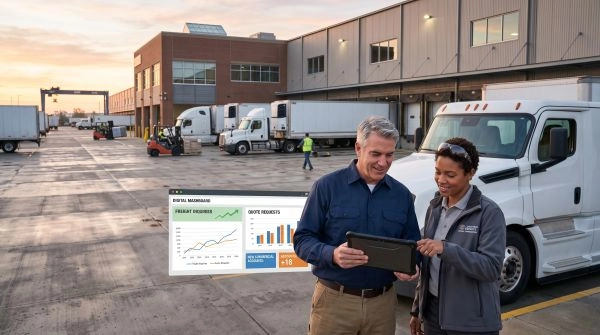
Dashboards bring all this into one view. Easy-to-digest graphics that segment leads by channel, stage, win rate and CPL enable teams to visualize if meetings from inbound search are increasing as paid social flatlines. Weekly or monthly reports can call attention to when meeting rates sag or when new automated sequences increase bookings by 30 to 40 percent. Over time, this consistent view directs which routes or types of cargo or regions warrant more targeted lead generation.
Conclusion
Good transportation leads don’t happen by chance. They sprout from obvious propositions, quick response, and genuine worth. Consumers consider price, schedule, safety, and eco footprint. They do vendor comparison shopping. They observe how every team handles them along the way.
Lead scores provide sales reps direction. Green fleets, cleaner fuel, and smart route plans give your brand a fresh edge. Hard core ads keep your name in front of shippers that move heavy loads and strict schedules.
To move forward, choose a vulnerability from this guide and address that first. Hone your form, refine your pitch, or fine-tune your metrics. Then follow the change in lead flow and close rate and go from there.
Frequently Asked Questions
How do transportation buyers usually evaluate new service providers?
Transportation buyers compare price, service reliability, coverage, compliance and sustainability. They examine case studies, customer references, and performance statistics. A direct pitch, transparent rates, and verification of timeliness assist you in distinguishing yourself throughout their review.
What is the most effective way to capture transportation leads online?
Targeted landing pages, clear calls-to-action and simple quote/demo forms. Support them with SEO, paid ads and industry directories. Provide something useful, whether it’s rate guides or a shipping calculator, and exchange content for contact information to cultivate qualified leads.
How can I quickly identify high-value transportation leads?
Rate leads by shipment volume, routes, industry, budget, and decision maker role. Focus on firms with immediate necessity, repeat shipments, and obvious issues you fix. Use a CRM to track engagement, such as email opens and form fills, so you can spend your sales time with the most engaged leads.
How does sustainability help differentiate a transportation company?
Sustainability means you’re thinking responsibly and long term. Utilizing optimal routes, less polluting trucks, and public emissions reports helps capture shippers with green initiatives. Make your sustainability numbers and certifications clear to differentiate yourself in bids and RFPs.
What is a heavy-duty advertising strategy for transportation services?
A heavy-duty strategy blends search ads, display ads, industry media, trade shows and targeted e-mail campaigns. It targets logistics and procurement decision makers. With consistent messaging, strong case studies and retargeting, lead transport leads prospects from the first click to a closed deal.
Which metrics matter most for transportation lead acquisition performance?
Important metrics are cost per lead, lead volume, lead to opportunity rate, opportunity to customer rate, and customer acquisition cost. Monitor channel performance, for example, search versus social, and time to close. These figures indicate which campaigns produce the most valuable transportation leads.
How can I improve conversion from transportation leads to customers?
Respond fast, provide transparent pricing and display customized route or capacity alternatives. Publish pertinent case studies and service-level data. Use follow-ups and personalized pitches. Streamline onboarding, contracts, and paperwork so prospects can say “yes” with less friction.