

- Key Takeaways
- Understand Your Fleet Customer
- Why Generic Marketing Fails
- Effective CVIP Inspection Marketing
- Beyond the Inspection Bay
- Measure Marketing Performance
- Specialized Marketing Solutions
- Conclusion
- Frequently Asked Questions
- What is CVIP inspection marketing and why does it matter for my shop?
- How do I better understand my fleet customers before marketing CVIP services?
- Why do generic ads fail for CVIP inspections?
- What makes CVIP inspection marketing effective for fleet clients?
- How can I market CVIP services beyond the inspection bay?
- How should I measure the performance of my CVIP inspection marketing?
- Do I need specialized marketing support for CVIP inspection promotion?
Key Takeaways
- The right CVIP inspection marketing recognizes that commercial fleets have very specific compliance needs around safety, documentation, and provincial laws, and are not interested in generic automotive-style messaging. That focus assists in establishing trust with fleet operators who have to keep their vehicles roadworthy and compliant with legal standards.
- Flexible scheduling and rapid turnaround are critical for fleet customers eager to limit downtime. Providing after hours appointments, emergency appointments, and recurring appointments makes it more convenient for fleet managers to manage inspection cycles.
- With clear, consistent communication and strong documentation support, cvip inspection marketing helps commercial vehicle owners navigate inspection results, repairs, and regulatory audits. Easy-to-understand explanations, detailed reports, and digital records boost transparency and customer confidence.
- With targeted SEO, local search optimization and dedicated service pages for different vehicle types and locations, inspection facilities capture high-intent searches for CVIP and commercial vehicle inspections. Educational content and clear calls-to-action turn this traffic into qualified leads and booked inspections.
- Positioning the business as a partner in fleet safety and compliance for the long haul, beyond the inspection, encourages loyalty. Technology like online booking, digital reports, reminders, and CRM systems fuel ongoing relationships, repeat visits, and higher lifetime value.
- The ability to measure key marketing metrics, track conversions, and constantly refine campaigns ensures CVIP inspection marketing is effective and efficient. Working with industry-focused partners like Heavy Duty Advertising can speed results with industry-specific strategies and time-tested tactics.
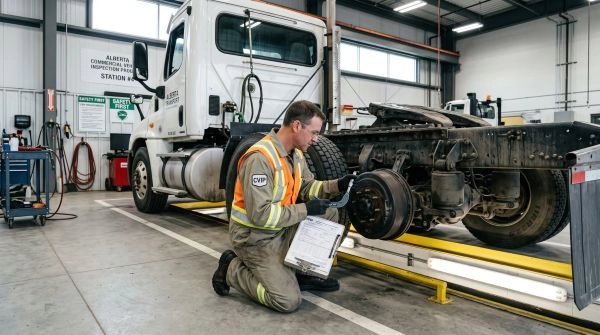
CVIP inspection marketing involves marketing CVIP services to fleet owners, drivers, and transport companies in a direct and focused manner. In most areas, CVIP checks are a legal requirement for trucks, buses, and similar heavy vehicles, so effective marketing frequently connects safety, uptime, and compliance. To get in front of the right buyers, lots of shops employ local SEO, straightforward landing pages, and prominent calls that display service, pricing, and timelines. Some even share bite-sized guides that explain inspection steps, rules, and why you pass or fail, which are great for building trust. In the meat of the post, it walks through key channels, sample messages, and practical ideas to construct consistent CVIP leads.
Understand Your Fleet Customer
Fleet customers have numerous cars and trucks under their control, and they deal with rigorous regulations, deadlines, and budget constraints. CVIP inspection marketing is more effective when it addresses these concrete constraints and daily decisions. Key compliance needs often include:
- Provincial CVIP rules for trucks, trailers, and buses
- Valid inspection certificates for each unit in the fleet
- Safety standards for brakes, steering, lights, and suspension
- Emissions or environmental checks where required
- Proof of maintenance and repair history
- Adherence to weight, load, and usage limits
Routine inspections and current certificates aren’t ‘nice to have’ for them — they are needed to remain on the road, avoid fines, pass audits, maintain insurance and meet customer SLAs.
Compliance Needs

Most fleet operators are going to judge a CVIP provider on how well it keeps them compliant and drama free. This means your offers, messages and follow-up need to make it clear you understand mandatory safety inspections, legal thresholds, and how rules vary between tractors, trailers, buses and specialty units. For instance, a carrier with 14,000 kg GVW units operating across provincial borders has to know what frequency each class needs to be inspected and which records need to remain in the cab as opposed to the office.
Marketing that references relevant regulations—such as Alberta’s commercial vehicle inspection requirements—signals that you understand the rules and can explain them in plain language. Vehicle Act requirements—signals you know the rules and can articulate them in plain language. Go beyond listing services and show step-by-step support: pre-inspection checks on brakes and suspension, simple emissions readiness tips, and checklists that help vehicles pass the first time. A lot of fleet managers are much more concerned about ‘no surprises at the scale’ than anything else.
You add value when you help them get out ahead of dates. Basic tools — inspection calendars, automated renewal reminders and template binders or digital folders for certificates — reduce the risk of missed inspections and penalties. This sort of support fosters trust — particularly for those with mixed fleets or shifting teams who might not be aware of every regulation.
Scheduling Flexibility
Fleet customers typically operate under time-sensitive schedules and intricate routes, which is why they seek inspection partners who can integrate into their world, rather than expect them to adapt to theirs. Many need options for how and when to book, such as:
- Early‑morning or late‑evening time slots
- Weekend or off‑peak appointments
- Block bookings for several units at once
- On‑site inspection days where allowed
- Online booking tools and calendar links
Extended or after-hours service can reduce downtime by utilizing off-shift windows. For instance, a regional courier could dispatch trucks to you once the daily routes are completed and driver downtime begins. This means trucks can be prepared again by the next send out.
Emergency slots count, too. If a spot check takes out a crucial tractor or a bus has a safety flag, that unit requires a same-day or next-day inspection and repair path. Creating a system for last-minute bookings and marketing it that way addresses genuine headaches such as missed deliveries and cancelled trips. Recalls, like quarterly blocks for high-usage units, enable fleets to schedule CVIP with oil changes and other service, reducing duplicate trips and scheduling efforts.
Turnaround Time
Turnaround time is among the highest ways fleets rate service providers, right behind price and dependability. Knowing that inspections typically require two hours for a straight truck and a full day for a tractor-trailer set sets clear expectations that enable managers to schedule routes and driver shifts. Wherever feasible, provide separate timetables for “inspection only,” “inspection plus light repairs,” and “inspection plus major work.
To reduce downtime, many shops map the whole process: check-in, inspection, documentation, approvals, and completion. Easy things like pre-filled forms, digital photo reports, and fast sign-off channels help keep cars on the road. Fleets operating fixed delivery windows, such as food distributors or fuel haulers, take note.
Fast turnaround on key pieces is just as crucial. If brakes, steering, or lighting fail, they get priority so that high-risk units get back into service quickly and safely. Being willing to share your typical turnaround times in proposals, on your site, or in case studies fosters trust and makes cost-focused buyers able to compare you on data, not buzzwords.
Clear Communication
Effective communication is how you discover each fleet’s actual needs and prove you’re listening. Open lines, such as phone, e-mail, and basic online platforms, facilitate quick booking confirmations, rescheduling of units, and inspection notes without extended wait times or assumptions.
Inspection findings should be broken down in simple terms: what passed, what failed, why it matters, and what must happen before the unit is roadworthy again. Most fleets have a mixed technical literacy level, particularly when they use dispatchers or operations staff instead of in-house mechanics. Using clear language for regulatory problems reduces ambiguity and accelerates decisions.
Detailed yet clear reports help in three directions at once: they support regulatory audits, back up insurance claims after incidents, and give managers insight into patterns such as repeat brake wear or recurring suspension problems on certain routes. This clarity hits critical fleet pain points—safety, cost control, and efficiency—by transforming inspection data into actionable insight, not just documentation.
Documentation Support
Paperwork is sometimes where fleets feel the most pinch, particularly if they’re crossing provinces with varying thresholds and paperwork requirements. Assistance with inspection certificates, registration papers, and maintenance records can distinguish your service. For instance, you could offer labeled folders or an easy digital folder hierarchy for tractors, trailers, and buses, each with subfolders for certificates, repairs, and renewals.
Digital versions of all inspection reports and certificates are almost always more convenient for fleets to hold onto and distribute. Many operators already employ cloud tools to have records on hand for roadside inspections, audits, and customer feedback. When your reports are easy to search and download, you save them time each week.
Navigation of registration and licensing renewals that are contingent on inspection results can be particularly beneficial for small or scaling fleets that lack a dedicated compliance manager. With explicit guidance on what forms to file, what offices to contact, and what timelines are involved, it eliminates the possibility of missing deadlines.
Various vehicle types and weight classes come with varying documentation regulations. A light-duty service van, a 20,000 kg long-haul truck, and a coach bus usually fall under different standards even within the same province. Breaking down these differences in easy-to-understand terms with brief examples connected to actual routes or types of cargo allows each customer to visualize how it applies to their own operation and why it’s important.
Why Generic Marketing Fails
Generic service pages for your car generally talk to ‘any driver’, not folks who own trucks or buses or mixed fleets. That generic message misses the real world of inspection schedules, downtime costs, and legal risk that dictates every decision around CVIP and commercial vehicle inspections.
When a page just states “we check cars” and leaves it at that, it conceals essential information mechanics require. Generically marketed, it doesn’t say what vehicles are covered, what inspection program standards apply, or how the shop keeps up with provincial rules. This cookie-cutter style may seem tidy, but it overlooks the actual keywords and genuine pain points of fleet managers who have to keep dozens of units on the road and compliant.
Detail-deficient makes trust brittle. Most buyers in this space read closely and shop around. If they can’t observe how the shop services heavy trucks as opposed to buses or how it records compliance and reports, they begin to question the expertise. Over time, this erodes credibility because generic marketing often neglects the complex emotional and psychological factors behind these choices: fear of fines, worry about safety incidents, and pressure to prove due diligence to owners or regulators.
There’s the obvious lost sales opportunity when marketing overlooks urgency. Fleet operators have fixed inspection windows, expiring certificates, and audits. If a page sounds glib, emphasizes style over substance, or relies on viral-style catch phrases, it doesn’t meet that time urgency. Generic campaigns chase trends but jump past hard truths about turnaround times, booking processes, or high-volume capacity. Such campaigns seldom secure long-term, repeat business in this niche.
Tailored messaging for CVIP and commercial vehicle inspection does exactly the opposite. It identifies vehicle categories, state regulations, and testing periods. It talks about risk, uptime, and legal duty in straightforward terms. It respects cultural and social differences across geographies by anchoring claims in standards, not hype, which doesn’t sound tone-deaf, insensitive, or irrelevant to operators.
To draw qualified leads, content needs to demonstrate the shop’s understanding of fleet priorities, not just “car care.” That focus sharpens authenticity and builds steadier trust than any generic promise can provide.
The Trust Deficit

| Proof Type | What To Show | Why It Matters for CVIP Buyers |
|---|---|---|
| Technician qualifications | Licensed CVIP inspectors, years of experience, ongoing training | Signals real skill, not bare‑minimum capacity |
| Safety standards | Written procedures, checklists, audit history | Shows structured, repeatable inspection quality |
| Customer testimonials | Fleet, owner‑operator, and municipal references | Confirms reliability under real operating conditions |
While several shops do state “we’re certified,” they don’t say by whom, to what programs, or how frequently they are audited. For commercial drivers, that distance breeds uncertainty. Explicit reference to provincial licensing, CVIP authorization numbers, calibration routines for test tools, and documented processes begins to close that trust gap.
Specific technician information assists as well. Declaring how many inspectors have CVIP licenses, what vehicle classes they are certified for, and how frequently they undergo refresher training provides customers a tangible metric to evaluate competence. When this is absent, marketing comes across as generic and feeble, and excessive dependence on vague claims can appear insincere.
Testimonials and case examples provide a second layer. A little story about how you will keep a 40-unit fleet compliant through a surprise audit says more than any slogan. It hits the actual fears and pressures fleet managers have, even if they do not verbalize them, and it does so without emotional hype.
Public associations with reputable industry organizations and regional organizations matter. Displaying memberships, posted certificates, or links to official registries provides assurance that the shop doesn’t just meet minimums but stays up-to-date with current programs and safety standards.
The Specificity Gap
A lot of sites have one generic ‘commercial inspection’ page for all vehicles. That doesn’t take into account search intent or how different buyers think. A school bus operator types different words and frets about different regulations than a long-haul trucker or a specialized tanker fleet.
Content built for each tribe works better. A page for dump trucks can concentrate on axle loads, brake balance, and trailer compatibility. A bus page can brag about passenger safety, emergency exits, and high-frequency stop-start use. A trailer page can describe coupling, lighting, frame, and cargo-related hazards. Specialty units, such as cranes or fuel tankers, require separate areas to describe special inspections.
For each vehicle type, outline what really occurs during an inspection. That might include:
- Brake systems, lines, and adjustment
- Steering gear, linkages, and play
- Suspension, axles, and frame condition
- Lights, signals, and electrical integrity
- Tires, rims, and wheel fasteners
- Emissions or engine systems where required
This specificity demonstrates sophistication. It lessens the danger that marketing comes across as superficial, fad-driven, or more concerned with style than with content.
Location-specific rules count too. Alberta, BC, and other provinces each have their own CVIP or equivalent certificate formats, inspection intervals, and so on. When marketing neglects to highlight these messages, they can seem overly generic to be believable or even insulting to operators who have mastered the art and know that the shop should too.
The Urgency Mismatch
When it comes to CVIP inspection work, timing is as important as price or location. Fleet managers might have expiring stickers, booked loads, and planned audits all in the same week, and a vehicle off the road can mean real revenue loss per day. When marketing material discusses “quality service” and omits any reference to controlling a schedule, it fails to address what motivates fast decisions.
A specific commitment to respond quickly to emails, calls, or online forms, supported by straightforward evidence like response time goals, can really stand out. Same or next day slots for urgent cases, even if minimal, prove that the shop comprehends inspection deadlines and compliance pressure, not just mechanical work broadly.
Others, like certain operators, want dozens inspected in a hurry. Being transparent about how many inspections per day the team can handle, what booking process they should follow, and how reports are delivered helps planners chart their work. Without that, generic ads can be pretty but do not answer the real questions that concern high-volume fleets.
Focusing on vehicles subject to fine, penalty, or closure is another that should be noted. Fleet managers want assurance that if a unit is days from a compliance cut-off, the shop can bump it to the front of the line. When marketing overlooks these real stakes and relies on generic, cookie-cutter catchphrases, it not only falls flat but erodes confidence with the very buyers it hopes to attract.
Effective CVIP Inspection Marketing
Smart CVIP inspection marketing ties search demand, clear education, and easy booking paths. It helps get in front of commercial operators when they search for how to keep compliant, dodge red-tag failure, and reduce unplanned downtime.
1. Foundational SEO
Begin with focused on-page SEO for keywords such as ‘CVIP inspection’, ‘commercial vehicle inspection’, ‘CVIP inspection facility’, and ‘fleet inspection’. Place these in title tags, meta descriptions, H1/H2 headings, image alt text, and service descriptions, but keep the copy natural and readable. Search engines should be able to tell immediately that inspections and road safety compliance are the heart of your business, not a sideline service.
Site structure should direct visitors by intent. Group pages by vehicle type (trucks, trailers, buses, mixed fleets) and service area. Allow it to be simple to hop around between things like “cvip truck inspection,” “cvip trailer inspection,” and “fleet inspection programs” with prominent menus and breadcrumbs that display where the user is at all times.
Interlinking aids SEO and education. Link from service pages to FAQs, inspection prep checklists and guides that walk through how CVIP inspections confirm that vehicles meet road and equipment standards and why that matters for public safety. Monitor keyword rankings and queries, and optimize content when you notice new patterns, such as increased searches for “CVIP pre-trip checklist” or “how to CVIP fail.
2. Local Search Dominance

Local search is where the majority of high intent CVIP leads originate. Claim and populate your GBP with precise name, address, phone, hours, and a short description that mentions CVIP inspections, commercial vehicles, and fleet work. Include pictures of your inspection bay, lifts, certified technicians working, and front office so fleet managers see this is a real, organized facility.
Employ location words that fit how operators are searching, such as “CVIP inspection Calgary,” “commercial vehicle inspection Edmonton,” or “fleet CVIP near me.” Have satisfied clients post reviews that specifically reference the unit inspected and outcome like “5-ton truck passed CVIP” or “fleet trailer CVIP.” Reviews that mention straightforward communication, honest results, and reasonable prices create trust, which is important when the cost of failing can include CAD 500 to CAD 2,000 or more in towing fees plus CAD 100 to CAD 150 per defect in fines. Demonstrate in your communications that you honor drivers as the front line of protection and appreciate their trip inspection every day.
3. Dedicated Service Pages
Create a separate landing page for each major inspection type: trucks, trailers, buses, light commercial units, and full fleet inspections. Each page should mention who it is for, what vehicles you cover by weight or class, and how CVIP inspections fit into their legal responsibilities and safety programs. This assists large operators in scanning quickly and finding out if you do their unit mix.
Describe the inspection process in layman’s terms. A CVIP checklist usually includes paperwork, undercarriage, powertrain, cab and body, lights, and final certification. Spell that out on the page so nobody is guessing what will be checked. Demonstrate that routine CVIP inspections can detect small, yet dangerous things like uneven tire wear, minor oil leaks, or worn suspension parts before they transform into breakdowns or roadside failures.
Give simple booking instructions: who to call, what hours you inspect, how long a standard CVIP slot takes, and what documents to bring. Add a quick list of common ‘easy to miss’ stuff that still leads to FAIL, like a non-working brake light, missing marker lamps, cracked mirrors, or loose wheel fasteners, so drivers know where to look first. A handy table comparing requirements by vehicle type and province or state, where laws vary, supports multi-regional fleets in organizing uniform servicing and preventing mix-ups.
4. Educational Content
Educational content establishes trust and reduces the risk of failure. Post simple pre-trip and pre-CVIP checklists that drivers can reference each day. Emphasize that these daily pre-trip inspections identify worn parts in their infancy and reduce the likelihood of a red-tag failure during the official CVIP. Basic tasks like checking tires, lights, air leaks, and fluid levels make a huge difference.
Produce guides that step through inspection requirements, required documents, and common causes for failure. This includes things like brake imbalance, worn kingpins, leaking hubs, and damaged wiring looms. Tell them that even a well-maintained vehicle can fail on one little thing, like a dead brake light, and it is cheaper to find that in the yard than at the inspection bay. Cite official vehicle inspection manuals and provincial rules so readers can see that your tips are based on actual guidelines, not speculation.
The Alberta government specifically identifies the Commercial Vehicle Inspection Manual as the required manual for technicians completing commercial inspections and says the manuals outline pass/fail criteria.
Add troubleshooting posts for common problem areas: air brakes not building pressure, suspension airbags sagging, emissions faults, or steering play. Tie these back to proactive maintenance: daily driver reports, quick repair follow-up, and scheduled shop checks all reduce breakdowns and unplanned downtime. Be explicit that drivers are your front line and the reports they fill out every day provide direct input to improved CVIP results and road safety!
The Alberta government specifically identifies the Commercial Vehicle Inspection Manual as the required manual for technicians completing commercial inspections and says the manuals outline pass/fail criteria.
5. Targeted Advertising
Paid ads get fleets who need help, now. Create Google Ads campaigns that are based around obvious phrases such as ‘CVIP inspection’, ‘commercial vehicle inspection’, ‘fleet safety inspection’ and ‘CVIP inspection [city]’. Geo-target around your service radius so only users near your facility in Calgary, Edmonton or close industrial areas watch the ads. Ad groups can be based around immediate needs like “CVIP due this month,” fleet contracts or vehicle classes.
In your ad copy, lead with what matters most to operators: fast booking windows, predictable time slots, fair pricing, and options for multiple units in one visit. If you have bulk inspection discounts, pick-up service within a certain radius, or flexible hours for fleets, say that. Highlight how being proactive on CVIP saves you from expensive red-tag failures, towing, and lost loads. Employ landing pages corresponding to each ad theme with a minimalist form and a phone number that connects to a live person.
Track impressions, clicks, calls and form fills. Track lead quality. If a group generates lots of clicks but not bookings, tighten up the keywords, tweak the copy, or narrow the location. Over time, you’re able to build remarketing lists to reach past visitors with pre‑trip inspection, maintenance plan and fleet package content, transforming one‑off inspections into long‑term relationships.
Beyond the Inspection Bay
CVIP inspection marketing is most effective when fleets view you as a safety ally, not a single-occasion test stop. A CVIP inspection isn’t just pass or fail; it’s about ensuring every vehicle is safe to be on the roads and appropriate for daily labor. The real cost of failing shows up after the visit: unplanned downtime, lost loads, higher insurance, fines, and harm to a company’s name.
Building Partnerships
Consider each fleet a long term account. Explain that CVIP failures often come from the same root causes: brake system issues, tire and wheel problems, and lighting or electrical faults. When you provide group inspection rates to local trucking companies or contractors, combine that discount with an easy bundle of pre-inspection checks and daily trip inspection checklists, with room to record pulling to one side, strange noises or warning lights.
Connect to repair shops and parts suppliers with referral programs. For instance, when a truck breaks down and has 30 days to remedy and come back, you can refer the driver to a reputable brake man or tire shop, while they refer their commercial customers back to you for the formal CVIP.
Trade shows and trade associations get you in front of fleet managers who decide the budgets months in advance. Provide short talks or workshops on inspection cycles, what typically triggers fines for driving without a valid CVIP, and how regular in-house checks between inspections reduce failure risk.
Easy webinars function for distributed fleets. Talk through a sample report, display pictures of typical defects, and describe how a 100 to 300 USD inspection can save them 310 to 2,000 USD in fines and roadside downtime they can’t schedule.
Leveraging Technology
Online booking tools that enable bulk scheduling by unit ID, depot and preferred time window save fleet staff countless e-mails and calls. They allow you to even out demand throughout the month and maintain lanes active without truck lines which most operators want to avoid.
Digital inspection reports and automated reminders provide a framework to the compliance year. When your system e-mails a simple report the same day, flagging risky items and providing a countdown until expiry, fleet teams can schedule repairs and avoid last-minute scrambles. Automated reminders for upcoming CVIP dates, along with alerts for previous brake or tire warnings, assist them in determining which units require more than a cursory check.
A crude CRM that captures customer history, unit details, failure patterns and no-show rates allows you to tailor your message. You can mail one fleet a brake-focused safety note if multiple trucks in their batch failed on that point, while another receives a lighting and wiring checklist. Go beyond the inspection bay. Add virtual consults, such as a short video review of visible issues prior to a visit, to pre-screen vehicles and reduce wasted trips.
Creating Loyalty
CVIP work loyalty grows when fleets experience consistent, practical assistance. Easy programs like a discount after X units or flat rate annual inspection bundles for big fleets reward repeat business without complicated conditions.
Stay engaged with periodic reminders for maintenance and inspection deadlines, not just for the hard expiry but for mid-cycle health checks. Recommend a quick brake and tire check between visits and emphasize that these actions decrease the chance of breakdown and minimize repair time if issues arise.
Exclusive content can stay practical and short: one-page pre-CVIP checklists, updated notes on rule changes, and best-practice guides for daily trip inspections. Make room for drivers to note things like pulling to one side, uneven tire wear, or dim lights so small issues bubble up early.
Beyond the inspection bay, request feedback on booking and wait times and the clarity of the reports and supporting staff after every inspection. Leverage this feedback to trim bottlenecks, tweak hours for busy fleets, or fine-tune how you describe breakdowns and your 30-day repair window. Then tell customers what you changed so they know their voice counts.
Measure Marketing Performance
Measure CVIP inspection marketing with a simple goal: turn data into booked inspections, not dashboards no one checks. Most marketing dashboards are data graveyards, littered with charts that never influence actual decisions. Begin by auditing your existing measurement infrastructure. name/email address About/Measure Marketing Performance List what you track now, where the data lives, and which numbers your team actually uses. From there, set clear goals tied to business outcomes: website traffic from commercial vehicle owners, qualified inquiries, and booked inspections per month. Frame each metric around these results, so you don’t end up pursuing vanity numbers.
Key Metrics
Key metrics for CVIP inspection marketing fall into three groups: traffic, engagement, and business results. For traffic, monitor total visits and unique visitors to inspection-specific pages, such as ‘Commercial Vehicle Inspections’, ‘Fleet CVIP’, or ‘Truck Safety Check’. Add bounce rate and average session duration to find out if visitors stick around long enough to check out the service details, pricing, and prep checklists. A high bounce rate for a CVIP page could indicate unclear messaging, slow loading, or low local relevance.
Next, tie engagement to real leads. Track form submissions for CVIP quotes, phone calls from click-to-call buttons, and online bookings. Make sure these actions are tagged as inspection-specific, not mixed in with general service requests like oil changes. It helps to mark which leads come from fleet managers, owner-operators, or logistics firms so you can judge lead quality instead of only counting volume.
Reputation metrics are important for confidence. Track review volume and average rating on GBP and whatever local platforms commercial drivers use. A consistent increase in 4-5 star reviews on ‘CVIP’ or ‘commercial inspection’ searches can improve local rankings and conversion. For paid channels, monitor cost per lead and cost per booked inspection by campaign. This reveals which ad groups, keywords, and locations deliver cheap, high-value bookings, rather than simply clicking.
Conversion Tracking
Powerful conversion tracking makes your CVIP marketing a story, not a mystery. In Google Analytics or equivalent, create goals for booked inspections, completed contact forms, and tracked calls. Tie each goal to a thank-you page or event so you can see which traffic sources drive actual bookings, not just visits. Use call tracking numbers on targeted campaigns like “CVIP spring safety check” and “fleet inspection packages” so you can attribute phone calls back to the ad, keyword, or landing page.
Add UTM codes to all paid ads, email links, and partner listings. Mark source (for example, “google”, “social”), medium (for example, “cpc”, “email”), and campaign (for example, “cvip_fleet_q1”). This provides a clear picture of what drives consumers from search or ad to book. Then review conversion funnels step by step: ad impression leads to landing page visit, form start, form submit, and confirmed booking. Seek out steep drop-offs, such as a large number of people beginning but not completing the booking form. Little things like easier fields, more transparent pricing, or a phone backup can boost completion rates.
Measurement can mislead if you depend solely on last-click attribution or short lookback windows. CVIP inspection sales cycles can be longer, particularly for fleets that may require internal sign-off. Offline campaigns, like trade shows or print flyers at truck stops, often prompt people to subsequently Google your brand. That means standard attribution models likely undercount upper-of-funnel and offline impact. To address this, employ incrementality testing where you can. Conduct holdout tests or geo-based lift studies, where you pause or lower spend in one region and hold it steady in another, and then compare booked inspections. This trades attribution theater for concrete evidence of incremental impact.
Continuous Improvement
Measure CVIP marketing as a loop, not a project. Leading indicators like traffic to CVIP pages, quote requests, and call volume allow you to course-correct mid-quarter. Lagging indicators such as inspections booked, revenue per inspection, and repeat bookings indicate if the overall strategy was successful.
Stay ahead of evolving inspection regulations and safety standards with up-to-date website content. When regulations shift for weight classes or emissions checks, refresh service pages, FAQs, and prep guides. Use these updates as marketing assets that can generate organic traffic from searches like “new CVIP rules” or “fleet inspection requirements,” as well as getting customers in the door better informed.
Try one change at a time in your ads and landing pages. Test new headlines about safety, downtime reduction, or predictable costs for fleet owners. Swap calls-to-action from “Contact us” to something like “Book your CVIP slot this week.” Measure marketing performance and monitor effects on click-through and conversion rates. Over time, this consistent testing pushes results up with no major increases in spend.
Customer feedback closes the loop. After each inspection, ask simple questions: how they found you, what nearly stopped them from booking, and what could be clearer in your online info. A lot of small comments, like confusing price ranges or unclear vehicle class lists, highlight simple content changes that increase conversion.
Check in on your key numbers at a regular cadence — weekly or monthly, for example. Every review meeting should end with a short, ranked list of actions for the next week: pages to fix, campaigns to pause, locations to push harder. Benchmark to the past, not just to targets. See trends in lead quality, cost per booked inspection, and review scores by location. By measuring marketing performance this way, you convert raw data into concrete, consistent ROI improvements and new CVIP customers.
Specialized Marketing Solutions
CVIP inspection marketing specialized marketing solutions for CVIP inspection focus on the real needs of inspection shops, not generic service advertising. They are built for one clear goal: reach owners and managers of commercial vehicles that must pass checks on a set schedule, then turn that interest into booked inspection slots. Heavy Duty Advertising operates as a partner in this space, with a laser focus on CVIP and commercial vehicle inspection marketing, so the work aligns with how this industry operates, from seasonal demand to rigorous safety regulations.
Heavy Duty Adverts constructs campaigns that begin with search. Most fleet managers, logistics companies and owner‑operators initially seek out ‘CVIP inspection near me’ or ‘commercial truck inspection’ in their local area. Therefore, effective SEO and local search is significant. This translates to clean, quick sites, dedicated landing pages for every city or region, and content that responds to inspection rules, checklists and timelines directly. It means full profiles on major map platforms, accurate hours, clear contact options, and steady reviews that showcase real work done on real cars.
For shops who need more than search, the team layers in content and paid campaigns that mirror buyer behavior. Specialized Marketing Solutions can include short guides on how often to book inspections, email reminders timed to common inspection cycles, or social posts that show real bays, real techs, and actual trucks in for checks. Some shops leverage social and email as their main digital channels, while others rely more on paid search and remarketing. Either way, tracking is embedded from the beginning. Call tracking, form tracking, and lead scoring help you measure live contact rates, quote quality, and demonstrate which keywords or ads attract fleets that book ten cars, not just one.
Most inspection facilities have shoestring budgets and no internal marketers. Our Heavy Duty Advertising schedules are molded to meet restricted time and funds. We’re not about noise; the goal is real jumps in online presence, qualified leads, and booked inspections, so every shop can shine in a packed landscape and stay ahead as markets and regulations evolve.
Conclusion
To sum it all up, CVIP inspection marketing works best with a clear focus and true caring for the fleet needs. Shops that understand fleet cycles, unit counts, and truck routes can schedule offers that arrive at the right moment. Generic ads wear out quickly. Fleet managers see hands-on, easy-to-accept offers that save hours in the yard and shave days off dead time on the road.
Rock solid follow up, spotless bays, speedy check in and transparent reporting transform a one time CVIP into a lifetime fleet connection. Shops using call tracking, repeat visitation and per unit spend tracking get a transparent vision of what really brings in the work.
Prepared to enhance your CVIP sport? Choose a single concept from this guide and experiment with your next fleet lead.
Frequently Asked Questions
What is CVIP inspection marketing and why does it matter for my shop?
CVIP inspection marketing promotes your Commercial Vehicle Inspection Program services to fleet customers. It matters because focused marketing generates more repeat inspections, greater shop utilization, and more solid long-term fleet contracts.
How do I better understand my fleet customers before marketing CVIP services?
Start by mapping their operations: fleet size, vehicle types, routes, and downtime limits. Speak straight to decision-makers. Ask about pain points: compliance, scheduling, breakdowns, and costs. Let this knowledge guide your offer, message, and service packages.
Why do generic ads fail for CVIP inspections?
They’re generic ads that disregard fleet priorities such as uptime, safety, and compliance risk. They address ‘all people’ and therefore appeal to no one. Fleet managers want solutions, timelines, and costs — not smoke and mirrors or coupon-ese.
What makes CVIP inspection marketing effective for fleet clients?
Directly demonstrates how you minimize downtime, prevent penalties and maintain fleets compliant. Powerful campaigns employ fleet-centric verbiage, appointment reminders, service packages and validation of expertise like certifications, case studies and timely delivery.
How can I market CVIP services beyond the inspection bay?
Provide maintenance plans, safety inspections and regulatory reporting. Share inspection results in easy to understand digital formats. Educate, remind and provide fleet health summaries. Set your shop up as a long term safety and compliance partner, not a one and done inspection.
How should I measure the performance of my CVIP inspection marketing?
Track key metrics: new fleet accounts, repeat inspections per vehicle, average revenue per fleet, and booking lead time. Track traffic to CVIP pages and conversion rates from campaigns. Go over these each month and adjust your messaging and channels.
Do I need specialized marketing support for CVIP inspection promotion?
Most shops need specialized assistance. Fleet-centric ad agencies know rules, fleet buying cycles and decision-makers. They can tailor campaigns, hone messaging and deploy tracking to ensure your CVIP marketing is relevant and trackable.