

- Key Takeaways
- Why Diesel Shop SEO Matters
- Your Website Foundation
- Dominate Local Search
- Create Expert Content
- Beyond Basic SEO
- Finding the Right Partner
- Conclusion
- Frequently Asked Questions
- What is diesel shop SEO and why does it matter?
- How can my diesel shop website attract more local customers?
- What type of content should a diesel shop create for SEO?
- How long does diesel shop SEO take to show results?
- What makes a diesel shop website “SEO‑friendly”?
- How does local SEO differ from regular SEO for diesel shops?
- Should my diesel shop hire an SEO agency or do it in‑house?
Key Takeaways
- Diesel shop SEO aids in bringing in those premium clients like fleet managers, commercial operators, and truck owners, ultimately leading to higher ticket repairs and more consistent revenue. Specialize in ranking for diesel-specific services, equipment, and local markets in order to reach the right searchers at the right time.
- Diesel audiences frequently search with time-sensitive and very specific needs. Targeting keywords and content segments toward fleets, owner-operators, and emergency repairs can maximize your conversion rates. Develop a basic list of customer personas and their frequent search intent. Then apply it to steer your service pages, blogs, and FAQ.
- With a great website base and mobile-focused experience, it’s easier for visitors to locate services, reach out to your shop and request emergency assistance. Make sure fast load times, clear navigation, and prominent contact options exist, along with click-to-call buttons so busy drivers and managers can get to you without wasting any time.
- Local SEO matters for diesel repair shops, as customers typically look for services within their immediate area. Optimize your GBP, build consistent citations, use location-based keywords and landing pages. Own the local search results.
- Publishing expert diesel content and showing actual repair builds trust and differentiates your shop from general auto repair competitors. Leverage deep guides, case studies, photos and videos to spotlight hard repairs, fleet solutions, modern technology and technician skills.
- Continued technical SEO, analytics, and the right SEO partner keep your diesel shop visible and competitive long term. Scheduled site audits, schema markup, internal links, and analytics-informed optimization render your online presence more effective, performance-measurable, and goal-aligned.
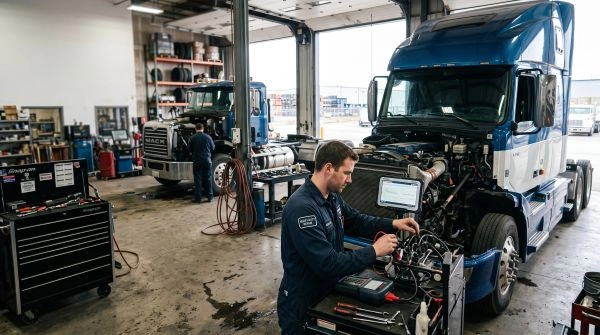
Diesel shop SEO is the act of assisting diesel repair and performance shops rank higher in online search results. Lots of diesel shops rely on local customers, so good SEO is often about local search and maps results and well-written service pages that mirror actual search phrases. Solid diesel shop SEO typically includes keyword research around common jobs, on-page work like title tags and content and off-page work such as reviews and local listings. Robust technical SEO additionally assists in maintaining sites fast and user-friendly on mobile, which influences rankings. To help make all of this easier to follow, the sections below break down each element of diesel shop SEO into digestible, actionable steps.
Why Diesel Shop SEO Matters
Diesel shop SEO gets the right people into your shop at the right time. It’s diesel-only—the services, the gear, the local market—so you pop up when someone types ‘diesel particulate filter cleaning’ or ‘heavy-duty truck repair near me’. With more than 90% of online sessions beginning with a search engine and the vast majority of people not ever making it past page 1, ranking high is essential if you want reliable work and predictable income from valuable customers like fleet managers and commercial operators.
| SEO Feature | Main Benefit |
|---|---|
| Diesel‑specific keywords | Attract truck owners, fleets, and commercial diesel work |
| Local SEO & Google Maps | Show up for nearby searches and map results |
| On‑site structure & content | Convert visits into calls and booked jobs |
| Citations and backlinks | Boost rankings and authority in search engines |
| Tracking and analytics | Measure traffic, leads, and revenue over time |
1. Different Searchers
Not all diesel searchers are created equal. You’ve got single truck owners, small fleets, large logistics companies, bus and coach operators, farm and construction equipment owners and even municipal or government buyers.
They often search with urgent or detailed terms, such as “Cummins injector replacement cost,” “diesel engine misfire under load,” or “fleet diesel maintenance contract in [city].” Their needs tend to be more specialized and time-sensitive than a standard car oil change.
When you speak to each segment with the proper keywords, conversions increase. A page targeting “refrigerated truck fleet service” addresses different concerns and budgets than a page for “F-250 turbo repair.
Create a working list of customer types and their usual searches, for example:
- Owner‑operators: “diesel repair near me”, “DPF cleaning same day”
- Fleet managers: “fleet diesel service contract,” “24/7 heavy truck repair”
- Equipment owners: “diesel generator repair”, “excavator diesel mechanic”
Leverage this list to design service pages, FAQs, and blog topics.
2. Higher Stakes
Diesel repairs tend to be more expensive, with more complicated systems such as high‑pressure fuel rails, emissions systems, and heavy‑duty drivetrains. A wrong fix can put a truck or machine out of commission for days, shutting down jobs and damaging revenue.
To earn such work, shops must demonstrate true technical competency and trustworthiness on the web. They search for proof that you understand current diagnostic tools, OEM software, and up-to-date diesel standards.
Repair decisions impact safety and legal considerations as well. How you manage emissions systems, brake work, and inspections can affect audits and roadside checks. Your site should emphasize certifications, years in business, brand training, and clear success results like ‘reduced downtime by 30% for regional fleet’ to lower perceived risk in the buyer’s mind.
3. Fleet Decisions
Fleet managers care most about uptime, predictable costs, and quick turnarounds. They’re less interested in quick fixes and more in a partner who keeps trucks on the road and helps schedule maintenance over months or years.
Your SEO should support content built for them: pages on fleet maintenance programs, preventive checklists, service schedules by kilometers, and sample service agreements. This sort of content assists you in ranking for terms such as “fleet diesel maintenance partner” or “contract diesel service [city]”.
Just like fleet clients, case studies and testimonials add credibility. A brief anecdote about maintaining a 20-truck fleet under a specific average downtime or reducing fuel consumption through improved tune-ups resonates with their objectives.
List full service capabilities that matter to fleets in one place: inspections, DOT or local compliance checks, mobile units, after-hours drop-off, telematics support, and reporting. Well-defined targeted service lists assist search engines and decision-makers recognize your match.
4. Emergency Calls
So many diesel shops receive emergency dispatches for breakdowns, roadside failures, and critical repairs on highways, at jobsites, and yards. If a truck with perishable cargo breaks down 150 kilometers from base, the purchaser is frequently looking from a phone and picks one of the top few results.
Your SEO should include these emergency terms such as “emergency diesel repair,” “mobile diesel mechanic,” and “24/7 diesel mechanic near me.” Emergency and mobile service pages are great dedicated pages that improve your chances of being on that first page and especially in the map pack.
Make contact options obvious: click-to-call buttons, a short emergency phone number in the header, and clear service hours. Set reaction assumptions, similar to “normal dispatch in under 60 minutes inside [area],” so anxious searchers believe calling quickly.
Be sure to add your emergency offerings to your Google Business Profile and to each appropriate service page with consistent language and local areas to increase local SEO and map visibility.
5. Building Trust
A good site doesn’t just bring traffic; it converts searchers into buyers. SEO is long-term and can take 3 to 6 months to show strong gains. It makes sense to couple it with strong trust signals that keep new visitors on the page and push them to call.
Open feedback and positive reviews are some of the best signals for diesel work because buyers are aware that repairs are expensive. Consistent 4-5 star ratings with specific feedback from truck and fleet customers demonstrate hard-hitting dependability.
Display industry groups you participate in, brand or OEM instruction, and overall years in business. Include before-and-after of heavy duty like engine rebuilds or frame repair, with small notes on what you repaired and how long the truck was down. Brief customer vignettes, particularly from fleets, carry more weight than marketing copy.
Supported by good on-page SEO and structure, which can influence approximately 15% of rankings, and robust off-site signals like links and citations, which can influence approximately 85%, it creates a powerful online presence. Local SEO, citations, and industry site links help you rank for location and service, attract more organic traffic, and maintain a steadier lead flow instead of irregular one-off calls.
Your Website Foundation
A diesel shop’s website is its front desk and service bay, open 24/7 — not a brochure. A basic site is the floor, but diesel shop SEO kicks in when that site is fast, secure, and centered on how real customers search, compare, and book repairs.
Service Pages
Make each diesel repair service its own “mini-shop” on your site. Dedicate separate pages to key services such as engine diagnostics, injector servicing, DPF cleaning, turbo repairs, transmission, and fleet maintenance. This format helps search engines know what you do and helps users land on the precise fix they need instead of a general services list.
On every page, list exactly what that service entails, what challenges it addresses, and what results a customer is going to receive. For example, an injector service page can span rough idle, hard starts, poor fuel economy, and how a clean, tested set cuts downtime for a long-haul truck. When designing your pages, use plain language, clear subheadings, and simple layouts. Readers shouldn’t have to guess.
Work local keywords into titles and text naturally, for example, “diesel injector service in Berlin” or “DPF cleaning for heavy trucks in Singapore.” This assists you in appearing for local drivers and fleet managers who are prepared to purchase. SEO-friendly pages such as this can generate high-intent traffic rather than browsers.
Sprinkle FAQs and short maintenance tips on every service page. Respond to queries regarding warning signs, servicing intervals for parts, and approximate costs in euros or whatever other single currency you happen to use. These specifics establish topical authority, reduce time spent by your team on phone calls, and make rookie diesel owners more comfortable.
Mobile Experience
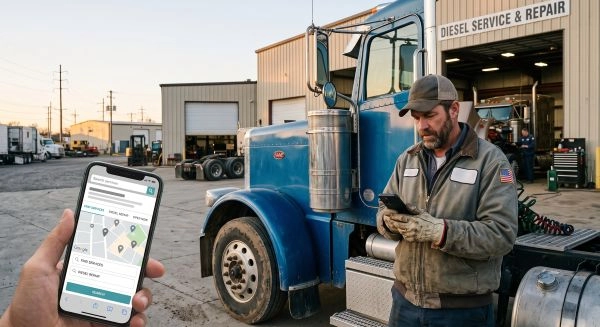
Over 60% search on mobile and a lot of diesel customers are on the road or in a yard when they seek assistance. A mobile-friendly site is not optional. It’s at the heart of diesel shop SEO and real-world lead capture.
Test your site on smartphones and tablets with various screen sizes. Verify that pages load quickly over a slow data connection, text is readable without zooming, and buttons are big enough to tap with one’s thumb. Anything too crazy is best avoided here, particularly if you are just putting together your first site.
Include click-to-call buttons, WhatsApp links (if applicable), and one-tap map directions from services and contact pages. Then monitor mobile numbers like bounce rate, time on page, and conversion rate in your analytics tool. Use those numbers to identify trouble pages and repair them before they lose you leads.
Clear Contact
Defined contact paths transform a quality diesel site to a working lead machine. Put your phone number, email form link, and full address in the header or footer so they come up on every page without scrolling far. This creates unnecessary friction. Many ready-to-book visitors decide in seconds, so eliminate it all.
Create a purposeful ‘Contact Us’ page with an embedded map, business hours (local time), and easy contact possibilities. Put quick links to Google Maps for mobile users, so a driver can tap once and start navigation. This page is frequently the final destination prior to a visit or call, so keep it neat and to the point.
Provide online appointment booking or at least a mini-appointment request form where customers can select basic services, submit vehicle information, and select preferred dates. A little portal for sign-ups like this enhances user experience and provides your team better data before the truck rolls in. When all this contact stuff is convenient and accessible, your SEO traffic converts into tangible booked work.
Dominate Local Search
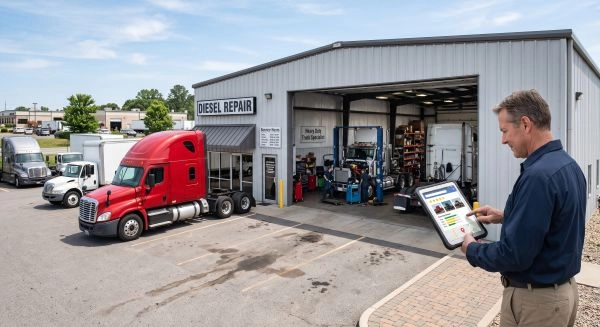
Local SEO gets diesel shops to come up first when drivers pull out their phones and search for repairs, towing, or diagnostics near them. Since roughly 97% of us look up local services online and 75% never go past the first page, showing up high in maps and local results is not optional. To rise above, a diesel shop must have precise NAPH (name, address, phone, hours) core data, robust location signals, and consistent review momentum supported by a site that performs on mobile, as mobile-friendliness impacts rankings, engagement, and conversions.
| Strategy | What it is | Impact on Local Rankings and Leads |
|---|---|---|
| Optimized Google Business Profile | Complete, accurate profile with photos and reviews | Higher map pack visibility, more calls and route requests |
| Local citations | Consistent listings on diesel and auto directories | Stronger trust signals and better local relevance |
| Location-based keywords | City and region terms in titles and service pages | Better match for “near me” and geo-specific search intent |
| Customer reviews | Steady flow of recent, quality reviews | One of the strongest drivers of local pack and click-through |
Google Profile
Claim the Google Business Profile for the diesel shop, then fill out every field: business name as used on the sign, full street address, phone number, website URL, and exact operating hours. Select service categories that correspond to actual work performed, such as “Diesel engine repair,” “Truck repair shop,” or “Roadside assistance,” so Google understands when to display the listing.
Upload sharp, well-lit photos of the workshop, lifts, bays, diagnostic tools, and the team at work, plus before and after shots of major repairs like injector jobs or turbo replacements. These images help drivers judge skill and trust at a glance.
Keep hours, holiday closures and services current, as search engines favor correctness and customers trust it when they are searching for emergency repair. Get every happy customer to leave a Google review, with short printed cards, QR codes at your counter, or a link in follow-ups.
Customer Reviews
Reviews are one of the most powerful local SEO drivers and a huge trust factor for people who don’t yet know the shop. A diesel shop with consistent 4 to 5 star reviews receives better map rankings and more clicks than a shop that doesn’t have any or has outdated ones.
Easy, automated follow-ups by email or SMS within 24 to 48 hours of service, with a direct link to the review page. This plays nicely after wallet-draining repairs like clutch replacements or fleet maintenance visits, where customers sense true value.
Respond promptly and in a composed, professional manner to each review, positive or negative, as this public response nourishes local signals. Tip: Showcase your best reviews with permission on your key site pages and social channels to support claims about service quality and turnaround times.
Location Signals
Incorporate the city names, surrounding towns, and service areas into titles, headings, and copy, for example, “diesel truck repair in Berlin” or “24/7 roadside diesel service in north Dubai.” This serves to capture typical ‘near me’ searches and demonstrates obvious local relevancy. Write additional content around the region, such as winter diesel care tips for particular colder areas or local driving and towing guides to further strengthen that signal.
Go ahead and embed a Google map on the contact page. Search engines and users want to see exactly where you are and be able to get routes in one tap on mobile. List the shop in local business directories and diesel or fleet maintenance specific directories, using the exact same name, address, phone, and hours everywhere, because consistency is trust to search engines.
For multi-location diesel businesses, create individual landing pages for each location with distinct information like nearby landmarks, employee images and location-based promotions. Local SEO often begins to see gains in a few months. It requires regular tuning and analysis of outcomes to maintain a lead in competitive markets.
Create Expert Content
Expert content, for diesel shop SEO, translates into concise solutions for actual diesel dilemmas. It stays focused on what drivers, fleet managers, and equipment owners worry about: uptime, cost, safety, and compliance. It typically resides as blog posts, service pages, videos, FAQs, and short social posts that all link back to your central site. A consistent content management strategy helps keep these assets organized, updated, and aligned with the services your shop wants to promote.
High-quality diesel content starts with common topics: hard-starting engines, injector failures, poor fuel economy, DPF regeneration, turbo issues, or service intervals at certain kilometer marks. It addresses new technology, such as common-rail systems, aftertreatment, and telematics. Employing semantic keyword variations like “diesel engine hard to start,” “injector misfire symptoms,” and “diesel fuel contamination causes” assists search engines in linking your pages with additional search terms without keyword stuffing.
This content requires research time, planning, and editing. It requires up-to-date technical expertise and the ability to communicate complicated systems in layman’s terms. Well done, it creates credibility, underpins long-term SEO, and distinguishes your store from simple directory listings or skinny service pages. When content is combined with a broader digital marketing strategy, your service pages, educational articles, local search efforts, and other online channels can work together to attract and convert more qualified diesel repair customers.
Solve Problems
- Publish detailed troubleshooting guides for common issues: no-start conditions, white or black smoke, loss of power under load, high fuel use, rough idle, or check-engine lights tied to the fuel system. For each, outline probable causes, quick checks drivers can perform, what necessitates diagnostic equipment, and when it is too dangerous to continue driving.
- Turn frequent customer questions into posts: “Why does my diesel smoke on cold start?”, “How often to change a fuel filter?”, “What if I skip DPF service?” Every response should be transparent, sincere, and tied to a particular offering.
For example, a 10-point pre-trix inspection for trucks or a service checklist before winter. Number the steps, tell what to watch for, and include pictures whenever you can. Then even non-technical folks can keep up.
These troubleshooting nuggets can be repurposed as email tips, short videos, or social content, expanding reach and keeping your brand top of mind when repairs are called for.
Showcase Work
Put actual work on actual cars, not stock photos. Construct galleries of injector replacements, turbo swaps, DPF cleanings, and full rebuilds. Include brief captions that mention engine type, primary issue, and result.
Use case studies to walk through trickier tasks, like diagnosing intermittent power loss on a fleet of delivery vans or solving repeated DPF failures on construction equipment. Mention what the customer reported, what your tests discovered, what fixes you decided on, and how much downtime and cost were involved.
Before-after photos or quick clips work well for cracked heads, wiring fixes, or dirty versus cleaned aftertreatment parts. They demonstrate impact in a way that words don’t.
Include brief bios of your main techs with their certifications, experience, and specialties such as heavy-duty engines, diagnostics, and electronics. This establishes credibility and demonstrates that there is expertise behind the content, not just salesmanship.
Explain Technology
Explain how modern diesel systems work in plain terms: high-pressure common-rail, variable-geometry turbos, DPF and SCR systems, and electronic control modules. Demonstrate how your diagnostic software collects live data, conducts tests, and reduces guesswork in troubleshooting.
Craft easy how-to guides on emissions systems and advanced repairs. Think proper DPF cleaning, NOx sensor or wiring problems that cause warning lights. Use labelled diagrams or infographics that deconstruct air, fuel, and exhaust flows so drivers understand why some faults recur.
Highlight recent investments: updated scan tools, flow benches, injector test stands, or OEM-level software. Mention ongoing technician training on new engine platforms. This fuels thought leadership, signals long-term commitment, and provides search engines with fresh, topical content to index as standards and technology change.
Beyond Basic SEO
Diesel shop SEO requires more than just some keywords and a few directory listings. Search engines are now considering site speed, site structure, user behavior, and consistent activity. Hard work over months, not one-off tweaks, is what pushes a diesel repair site up the results and keeps it there.
Technical Health
Technical SEO for a diesel shop is an always-to-do list, not something you do once. Must-haves include fast page load, which involves image compression, lean code, and quality hosting. It should be mobile-friendly and use HTTPS. The URL structure must be clean with keyword-rich URLs, such as /diesel-injector-cleaning/ instead of /page-id-12/. There should be clear header tags with one H1 and logical H2/H3 sections. Unique meta titles and descriptions should be under 60 characters for titles. Every service page should have its own meta set, such as “Diesel Engine Rebuild | City Name Diesel Shop,” so search engines and users know what to expect.
Regular site audits catch problems before they damage rankings. Repair broken links that lead to 404 pages, eliminate or rewrite duplicate content, and clean up crawl errors listed in Google Search Console. Shops with structured data markup — Local Business and Service schema — can get rich results like review stars, address, or price ranges in search, which tend to increase click-through rates even if they don’t affect rankings. Keeping your CMS, plugins, and any booking or chat tools updated reduces security vulnerabilities and keeps performance consistent, which search engines monitor over time.
Internal Links
A diesel shop site should lead visitors on an obvious internal journey. Services pages, location pages, blog, and FAQ pages all need to link to each other in an intuitive way, so someone reading about “check engine light on diesel” can hop straight over to “diagnostic service” or a booking page in one click. Anchor text is too basic for SEO, so use plain descriptive text with related diesel words, like ‘diesel particulate filter cleaning’ instead of ‘click here’ that helps search engines link topics and intent.
High-priority pages, like core service type categories and location pages, should receive the most internal links from blogs and supporting content. This distributes page authority throughout the site and helps search engines understand what pages are most important. A neat XML sitemap submitted to key search engines, along with a simple HTML menu for users, aids indexing and navigation for both bots and humans.
Measuring Results
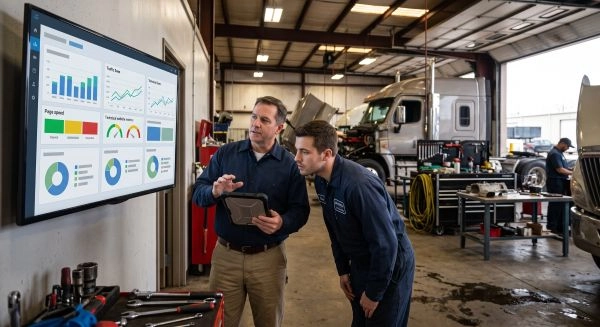
Clear KPIs keep diesel shop SEO outcome driven, not guesstimate. Organic web traffic, form and call lead volume, booked appointments, and conversion from visit to contact are all core metrics. Google Analytics and Google Search Console give most of the needed data: which queries bring visitors, which pages get views, and where users drop off. Call tracking numbers and tagged contact forms add granularity so studios can know which pages and keywords generate actual work, not just clicks.
Monthly reviews are great for most shops. Teams can review form submissions, call logs and online bookings, then overlay those trends against site changes, fresh content from a content calendar or Google My Business updates. Regular activity on GMB, in terms of posts, photo uploads and review replies within 24 to 48 hours, assists with local rankings and prevents the profile from fading after 60 to 90 days of silence. When the data indicates a page is falling short, shops can tweak content, links or meta tags and then watch the effect over subsequent weeks, cultivating a feedback loop of incremental, data-driven optimization.
Finding the Right Partner
Selecting the right SEO partner for a diesel repair shop is as technical a decision as selecting the right diesel technician. It defines the quality of leads you receive, how full your work calendar remains, and how effectively you compete with local rivals.
Begin by seeking an SEO firm with actual experience in diesel repair or heavy-duty service marketing. Generic small business SEO is not enough. A team that deals with diesel shops day in, day out develops a sort of “shop floor intuition” for your world. They understand the distinction between a ‘diesel mechanic near me’ for a 3.0 L passenger car and a ‘24 hour truck roadside service’ for a loaded tractor-trailer. That sort of pattern sense comes only with focus and time. It results in more precise targeting and quicker wins, in the same way that a tech who repairs a single engine family all day can pinpoint trouble quicker and with less backtracking.
Check their hold on diesel industry keywords, local SEO and content. Inquire what keywords they optimize for such as DPF cleaning, injector repair, clutch work, and fleet maintenance. Ensure they know how to get your shop into local map packs, service area pages and ‘near me’ results for your actual catchment radius, not just your city name. View example blog entries, service pages and FAQs they’ve created for other shops. The best ones write in clear language that drivers and fleet managers actually search for, constructing their content to address actual issues related to downtime, cost, and expected repair times.
A good SEO partner sticks around post-launch, too. Continuous optimization, transparent monthly reporting, and candid conversation are more important than slick promises. You should be looking at the number of calls, forms, and booked jobs coming through organic search, not traffic charts. This type of open, long-term service creates trust and peace of mind for both owner-operators and fleets that rely on reliable, cutting-edge diagnostic and repair services.
Heavy Duty Advertising serves this role as a niche partner for diesel repair shops looking for trackable online expansion. Instead, keep the emphasis on your particular mix of makes and fleets, on your service competencies, and on sustainable lead flow, not quick spikes.
Conclusion
Diesel shop SEO is not guesswork. It operates on transparent processes and consistent work. A strong site, crisp local pages, and authentic expert content all attract the appropriate leads. Good tracking keeps you honest. You are able to see what drives calls, forms, and shop visits.
A rock solid partner can assist, the blueprint still remains yours. Use goals that fit your bays, techs and equipment. Keep the emphasis on actual work you want more of, such as fleet service, tuners, or heavy repair.
To get going, choose a single next step. Work on your Google Business page, repair your core pages, or map out one powerful guide. Start tiny, get blunt with the data, and allow the triumphs to pile up.
Frequently Asked Questions
What is diesel shop SEO and why does it matter?
Diesel Shop SEO is what makes your website findable by diesel truck owners. It is important because increased exposure results in more inbound calls, quotes, and shop visits without having to pay for every click or ad.
How can my diesel shop website attract more local customers?
Implement easy service pages, your city and region in crucial locations and a GBP. Include your address, phone, hours, and reviews. This lets you show up in ‘near me’ searches and maps when local drivers need assistance quickly.
What type of content should a diesel shop create for SEO?
Build out service pages, FAQs, maintenance tips, troubleshooting guides, and before-and-after case studies. Address real problems your diesel customers have. Useful, professional content earns trust and ranks for important diesel and repair-related search terms.
How long does diesel shop SEO take to show results?
The majority of shops have early wins in three to six months. Robust results typically manifest within six to twelve months. It depends on your competition, your existing site health, and how often you publish and optimize.
What makes a diesel shop website “SEO‑friendly”?
An SEO‑friendly diesel shop site loads quickly, is mobile‑friendly, is easy to navigate, and uses well‑written service pages around common, focused keywords. It uses secure HTTPS, has proper meta tags, and correct local business information on the web.
How does local SEO differ from regular SEO for diesel shops?
Local SEO targets searches in a specific area, like “diesel repair near me” or “Cummins mechanic [city].” It uses maps, reviews, and local citations. Regular SEO focuses more on general rankings and broader topics that are not limited to one region.
Should my diesel shop hire an SEO agency or do it in‑house?
If you don’t have the time or the SEO skills, a specialized agency is usually more effective. They provide tested tactics, tools, and industry insight. If you have a dedicated team and can learn SEO, a hybrid approach in-house plus some expert support can work well.