

- Key Takeaways
- The True Cost of a Missed Call
- Why Manual Follow-Up Fails
- How to Perfect Your Missed Call Follow Up
- Automating Your Response System
- Crafting the Perfect Automated Message
- The Ripple Effect of Automation
- Conclusion
- Frequently Asked Questions
- How quickly should I follow up after a missed call?
- Why is manual missed call follow-up a problem for businesses?
- What does an effective missed call follow-up process include?
- How can automation improve my missed call follow-up?
- What should I say in an automated missed call message?
- Is automation impersonal for missed call follow-up?
- How does better missed call follow-up impact my bottom line?
Key Takeaways
- Missed calls are an immediate and long-term expense as they erode new sales, diminish customer confidence and over time, damage brand reputation and growth. Even just a handful of missed calls a day can quickly translate into lost sales and less loyal customers.
- Depending solely on manual follow-up results in human error, inconsistent response times and wasted staff hours. This method is difficult to scale, introduces delays that drive callers to the competition, and risks key leads slipping through the cracks.
- Missed call follow up is a well-defined missed call workflow that prioritizes the first 5 minutes and converts better. Quick recognition and easy next steps satisfy customer expectations, relieve stress, and prevent them from reaching out to another provider.
- Automation tools assist you in replying immediately with notifications, auto-reply texts, and intelligent call routing. This means 24/7 coverage, consistent follow-up, and smarter use of call logs and CRM data so no lead falls through the cracks.
- Thoughtful auto-messages that recognize, comfort, and captivate the caller make missed calls feel addressed instead of neglected. By offering explicit timing, alternative methods of contact, and easy next steps such as booking a call back, you can keep conversations moving.
- Automated missed call systems transform team morale, customer confidence, and decision making via data insights. Companies can alleviate burnout from employees, preserve consistent service quality, and perfect their sales process with live effectiveness data.
Missed call follow up is calling back someone who called but missed connecting. This usually involves a short return call, text message, email, or a combination of all three depending on the situation and the tool a team has adopted. In lots of industries—sales, support, healthcare—missed call follow up helps erase delays, lost leads, and eroding trust with customers or clients. Most teams, however, have turned to call logs, CRM tools, and simple templates to follow up on these missed calls. In the next section, the post walks through clear steps, tools, and examples to get yourself a strong missed call follow up system set up.
The True Cost of a Missed Call
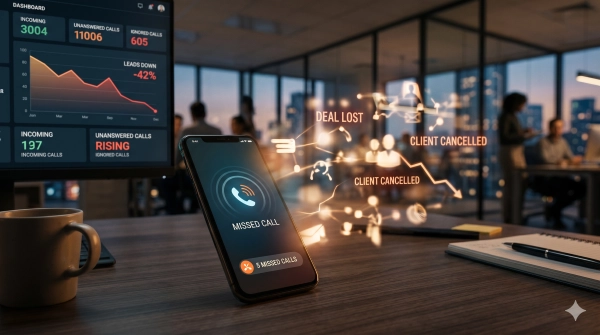
Missed calls do more than mildly annoy. They siphon off income, inhibit scale and erode your brand reputation, both now and in the future.
| Scenario | Avg value per call | Missed calls / month | Est. loss / month | Growth impact |
|---|---|---|---|---|
| Local restaurant reservations | US$25–US$40 | 5 per day | ≈ US$1,500 | Fewer new guests, slower repeat base |
| Dental or medical practice inquiries | US$150–US$700+ | 20 per month | US$3,000–US$14,000 | Lost lifetime patients, fewer referrals |
| Home services (plumber, electrician) | US$80–US$300 | 15 per month | US$1,200–US$4,500 | Fewer jobs, weaker local reputation |
Across industries, research indicates companies can forfeit thousands of dollars annually from missed calls alone, particularly when a quarter of calls are likely to be missed by small businesses during lunch hours, weekends, evenings, and holidays.
Immediate Loss
If you call and it rings out or goes to voicemail and you don’t call back, that lead is probably gone. A lot of callers, particularly first-time customers, aren’t going to call back if they were calling to schedule an appointment, make a reservation, or order something. They go on.
Each minute you delay returning a call, your chances of capturing that lead decrease. They go back to online search, tap the next number, and answer a competitor who picks up live. By the time you return their call, they may have already booked somewhere else.
That stings most with urgent needs. A broken pipe at 22:00, a last-minute table for six, a same-day dental emergency: if you do not answer, that high-intent, high-value call often lands with a business that does. Evening, weekend, and holiday calls typically have intense buying intent and they are the most frequently missed.
One missed call can mean losing a high‑value customer or a key upsell. A caller inquiring about a long‑term contract, a full treatment plan or a large group event can mean years of business to come. When that call doesn’t get answered or that voicemail sits, the lifetime value walks.
Future Revenue
It doesn’t end with the initial lost sale. They undermine the foundation of loyal, repeat customers which most businesses depend on to grow in a sustainable manner. Someone who can’t get through, or waits hours or days for a call back, isn’t so likely to entrust you with repeat business or continued treatment.
If you never return that initial missed call, you generally lose the opportunity to schedule any future dates with that individual. That could be a day of dentist appointments, home visits from the handyman, or weekly dinner reservations. Too often, a missed call leads to the silent destruction of years of future revenue.
Call handling influences reviews and referrals. When people feel ignored, they tell their friends or blog about it. A trail of “they never answer the phone” or “always goes to voicemail” in public reviews can scare away new prospects before they even call, compressing your funnel’s top end.
Over time, this drives churn. Customers unable to get you begin to shop for someone who seems more available. As more of them switch, monthly revenue does not just take a one-time hit; it trends down, and regaining that goodwill is more expensive than picking up the phone to begin with.
Brand Damage
Unanswered calls and slow replies send a clear signal: “We are not ready for you.” Even if your offering is excellent, poor call response equals people poorly care, chaos or lack of basic professionalism, particularly in industries where dependability is important, including medical care, finance and home services.
When your system rings out, drops calls in queues, or pushes everyone to voicemail, it paints a portrait of what you do with work overall. If you appear scattered on the initial touch, some prospects assume the same would occur with billing, scheduling, or support.
Uneven call management undermines trust. One time you pick up in three rings, the next time you miss three calls back to back. That sort of space makes them believe that they can’t rely on you in a pinch, which is typically when they are most willing to open their wallets.
If missed calls become a recurring event, your brand begins to appear unresponsive or even understaffed, even if your team is talented and diligent. Over months, that impression can matter as much as price or location, and it silently redirects demand toward rivals who just happen to answer more of their inbound calls.
Why Manual Follow-Up Fails

Human Error
- Writing phone numbers or names wrong
- Forgetting to log missed calls
- Copying details into the wrong record
- Skipping follow-up steps in a sequence
- Leaving vague or incomplete notes
- Losing sticky notes or personal notepads
When agents input information manually, minor mistakes accumulate. A wrong digit in a phone number, a missed extension, or a lead saved under the wrong account all mean the same thing: no follow-up and a lost chance. Manual follow-up is slow and error prone. Those errors frequently don’t surface until a deal has already gone cold.
After a few hours of one call after another, fatigue sets in. Agents multitask and toggle between screens and listen to new messages as they complete older ones. In this haste, they shortcut, overlook urgent voicemails, or confuse details across callers. Notes differ in length and style, so the next person to grab the record may not know what was promised, breaking flow and undermining trust.
Inconsistent Speed
Manual follow-up relies on who is working, how many calls they received, and what else is on their plate. In peak hours or busy seasons, a missed call may languish in a queue for hours or sometimes days as staff digests more “tangible” work.
Such a broad response-time lag damages both parties. High-intent leads cool fast. They’ve already left you for the other guy who answers faster, so slow manual replies give your competitors an obvious leg up. Customers call after hours, and if you don’t have a system that can answer them any time, those callers wait until tomorrow, if they even wait. Over time, this uneven speed renders follow-up sequences inconsistent and feeble, and engagement drops.
Resource Drain
Manual follow-up eats up staff hours in subtle, incremental ways. Agents waste significant portions of days calling back missed numbers, checking voicemail, replaying messages for details, and logging steps. For a team taking hundreds of calls, this translates into hours per week spent on low-value, repeat labor.
Those hours could power more valuable outreach, better coaching, or deeper service. Instead, managers generally have to throw more bodies at the problem in high-volume periods just to keep up on callbacks, which drives up labor costs without a corresponding increase in conversion. As the business grows, this model does not scale. Every call block requires additional human time. Even with great people and an irresistible offer, a team can boost leads and revenue but still lose buyers because timing, context, and clear ownership of every missed call remain low. Response time to high-intent signals, not just the initial response, continues to be difficult to manage when each action depends on memory and manual labor.
How to Perfect Your Missed Call Follow Up
A good missed call workflow ensures that every inquiry is viewed, prioritized, and responded to in a reliable way by your team.
- Map a clear process: capture every missed call, log it, assign an owner, set a deadline, and record the outcome.
- Set instant alerts: use app or email notifications so staff see missed calls in real time, not at the end of the day.
- Track in one place: Use call logs or a CRM so each number shows call time, channel (voice or text), last action, and next step.
- Add smart rules: mark urgent calls, such as calls about payments or active orders, as high priority, send auto-reply texts for simple questions, and route sales leads to the right person.
1. The First Five Minutes
Try to answer missed calls within five minutes when you can. That brief opportunity frequently determines whether the caller becomes a customer or dials a competitor. Establish a specific goal for the staff and regard it as you would any other critical metric.
Trigger instant notifications for each missed call and combine them with an auto-reply text like, “We noticed your call and will call you back in 10 minutes.” If you say you will call back in 10 minutes, do it. This little gesture can accomplish more than one longer call later in the day.
Schedule callbacks — a straightforward queue and urgency level. For instance, a fresh lead with a big order value gets priority. General inquiries can hold for a bit longer or receive an automated note and then a call within 12 hours.
Since roughly 30% of prospects won’t answer when you call, use automation tools so every new lead gets an immediate first message by text or email. Add a brief note like, “Otherwise, I’ll call you around 15:00” to set clear expectations and send a short reminder email the day before a planned follow-up call.
2. Customer Psychology
Most want some immediate indication that a company received their call. Even a brief text that arrives within a couple of minutes transforms how they experience your service.
Quick responses demonstrate that you are both on top of things and attentive. This establishes credibility, which is crucial when the caller is considering handing you their credit card information or signing a lease.
Employ calm urgency copy in your initial text or email. For example: “Your request is a priority. Here’s what happens next.” Then outline your follow up in simple terms — who will call, when and what they will discuss.
To lower anxiety, give one clear action: “If this time does not work, reply with a better time.” You can add value with a personal note like, “I’ve attached an article I thought you’d enjoy,” particularly for more complex or expensive services.
3. Competitor Advantage
Rapid missed-call follow up decreases the likelihood of a prospect calling a competitor while waiting to hear from you. Most will just go on to the following search result if they feel snubbed.
A powerful call alerting system means your team is first to answer. When each missed call generates a task in sight, less time is wasted in handover or uncertainty about who should be calling back.
Automation enables a lean team. Autotexts, email reminders the day before a follow up call, and hand-written thank you cards after every first call to a new prospect all add up to a service level that slower competitors find impossible to match.
Some businesses quietly note how fast competitors respond to common leads or mystery-shop their lines. If you notice everyone else is answering in two hours, make it 30 minutes and then adjust your staffing or tools to maintain that advantage.
4. Conversion Rates
Missed-call follow up is like a quantitative sales funnel. Measure how many missed calls translate into actual conversations, offers, and then closed deals while noting the response time at each stage.
Use call analytics to see which mix works best: immediate callback, text then call, or email then call. For unresponsive prospects to the first follow-up, a half-day lag before the next call can work well, followed by up to four more calls spaced three business days apart.
Try other text or email templates. One sequence might be: quick text, call, reminder email, then a final message that says, “If I don’t hear from you, I’ll assume the timing isn’t right. Otherwise, I’ll call you around 11:00 on Thursday.” Small wording changes can move response rates in significant ways.
Connect your phone system to a CRM so every touch is tracked from missed call to closed sale. When a deal closes, take note of what steps made the difference for that prospect and send a little handwritten thank-you card to close the loop and set the tone for the long-term relationship.
Automating Your Response System
How It Works
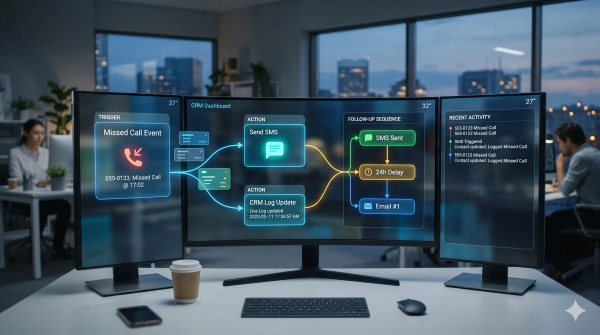
Once a call goes unanswered, the mechanism generates a response in a matter of seconds. It tweets a short, personalized SMS within 30 to 60 seconds, which is the response window. This timing is important, as research demonstrates that the likelihood of making contact with a lead plummets after the initial couple of minutes. Because text messages have an open rate of around 98% and most are read within three minutes, that initial auto-text is your primary opportunity to keep the lead engaged.
Caller information, call timing, and any voicemail or call reason are saved directly into your CRM or call platform. NOTES typed up by HAND, no one! For example, a clinic can have each missed call recorded with the caller’s name, number, and a ‘new patient’ or ‘existing patient’ label, so staff know what to prioritize.
It then automatically triggers follow-up actions according to rules you define. High-value callers might go into a multi-touch sequence: one text right away, one reminder after a few hours, and one follow-up within 24 hours. This keeps the lead warm without being too ‘pushy’. Lower-priority calls may receive one message that includes a booking link or support email.
Detailed call logs and summaries aid training and accountability. Teams can view how quickly responses were sent, the number of individuals who responded to the follow-up, and which messages resulted in meeting bookings or sales. Studies show that roughly 85% of callers never call back after a missed call, so this full trail transforms ‘one lost ring’ into a workflow, not a cul-de-sac.
Modern missed call systems become significantly more powerful when paired with AI Marketing Automation Services, allowing businesses to automate SMS replies, lead capture, and follow-up workflows without manual intervention.
24/7 Availability
A 24/7 automated system saves you from losing nights, weekends, and 4 a.m. Fire drills. When a call comes in at 2:00 on a Sunday, the system still responds within a minute with a personal tone, such as: “Sorry we missed you. Respond ‘1’ if urgent, or click here to book a time.” That one text message associated with the missed call typically prevents that lead from calling a competitor.
AI phone answering services can go even further, answering after a few rings, taking a brief message, and directing anything labeled ‘urgent’ to an on-call human or AI receptionist. For less pressing matters, callers can be provided an automatic callback option, for instance, where they keypress to enter a queue for a return call during business hours. This sounds more courteous than having them ‘call back later’ with no guarantee.
So that you don’t spam people who call several times, only send one automated text per missed call thread, keep the verbiage simple and human, and make the next step clear. A nice arrangement could read, “We’ll text you once now and once if we miss your call back,” so expectations remain clear.
Scalable Growth
Automation means you can take more calls without hiring more people each time volume spikes. Smart call queues can route emergency calls to available agents first and low-priority calls to an auto-reply and follow-up list during times of peak demand like product launches or seasonal spikes. This maintains response quality even when your team is overwhelmed.
The same system can work cross-channel. One missed call above fires an SMS, an email, and an internal app alert, but the outside messages remain coordinated so the caller doesn’t get hit from all sides. Our default response system is, for example, one text after the missed call, one email later that day with more detail, and a final reminder within 24 hours of no reply.
As your business grows, you can customize these workflows by segment, deal size, or region. Hot leads might get a two or three touch drip. Repeat callers get one well-crafted SMS with a direct link to book or chat. Over time, this helps capture leads from every missed ring while keeping your tone clear and respectful.
Crafting the Perfect Automated Message
Really good missed call messages are succinct, direct, and immediate. They should get back to the caller in 30 to 60 seconds, be under 160 characters so they send as a single SMS, and include your business name, what happened, what happens next, and when.
- State that the call was missed and is important
- Include your business name in the first line
- Offer an easy call to action, such as a reply, link, or callback time.
- Include a reasonable follow-up time, such as “within 30 minutes.”
- Offer options: reply by text, email, or a web form.
- Keep language plain, specific, and free of vague phrases
- Personalize with the caller’s name when data is available
- Add opt-out text: “Reply STOP to opt out” to stay compliant.
- Use a short multi-touch sequence of two to three texts in twenty-four hours.
- Use light urgency without pressure. We’re saving a space for you tonight.
Acknowledge
The initial job is to demonstrate you observed the call and that you care about it. A simple checklist can help teams stay consistent:
- Name your business in the first few words
- Say the call was missed, not ignored
- Thank the caller for reaching out
- Mention that their inquiry matters to your team
- Add the time of the call when tools allow
- Use a warm but neutral tone, not hype
- Confirm that you are already working on their request
- Include a legal opt‑out line in every message
For example: “Hi Ana, City Dental missed your call at 14:32. We’re on it and will text or call within 20 mins. Reply STOP to unsubscribe.
Reassure
After the first line, build confidence. Tell them their message or missed call is in your system, that assistance is en route, and when they will hear back. Give a clear window, such as ‘within 15 minutes’ during business hours or ‘by 09:00 tomorrow’ after hours, and mark urgent paths: ‘If this is a medical emergency, contact local emergency services now.’ Short, specific language tells me it’s a priority much more than dramatic wording.
Engage
Hit reply on that same SMS to keep the thread alive. Ask one simple follow-up question, such as ‘Is this about billing or tech support?’ and give a direct link to book a slot: ‘Book a callback: example.com/call.’ Invite additional detail and ask for their favorite channel so you can switch to email, chat, or phone. A quick second and third touch within 24 hours, each always under 160 characters, pays off, particularly with text’s approximately 98% open rate and near-instant reads.
The Ripple Effect of Automation
Team Morale
Missed call automation eliminates much of the low-value, repeat work that wears people down. Rather than employees rushing through call logs, copying numbers and pasting the same “sorry we missed you” script all day long, the system queues callbacks, sends SMS, or opens web chat automatically. That reduces the missed call angst that manifests as stress, panicked projects and finger pointing when a lead gets away.
When bots take over routine follow up, agents can spend more time on real talks: discovery calls, complex support, renewals, and upsells. Those calls demand hearing and craft, not copy-paste drudge, and that move tends to boost job fulfillment in the long run.
It turns out clear automated workflows give people a stronger sense of control. The squad observes what missed calls escalated to scheduled meetings, which transformed into sales and what still requires a live contact. Less “phantom” missed commissions or mystery pipeline gaps means less friction between sales, support, and ops.
Shared dashboards and call logs help teams across time zones stay aligned. If an evening shift in one country picks up the follow up from a morning shift in another, all have visibility on the same timeline and next steps, rather than swapping unfinished notes or emails.
Pairing automation with Content Management Services ensures every customer touchpoint—from missed call text to follow-up email—maintains a consistent, trustworthy brand voice.
Customer Trust
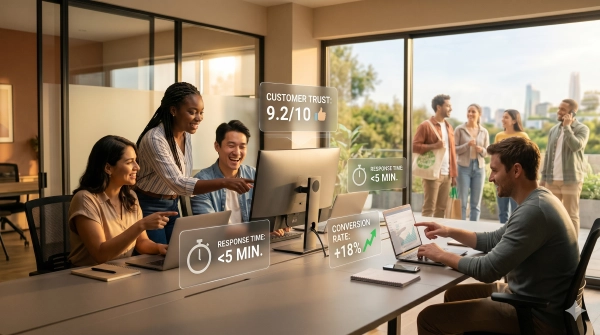
For customers, the initial indicator of reliability is a quick reply. When every missed call triggers an immediate automatic text, callback queue entry, or web chat link seconds later, people realize that their time really does matter even during the phone tag evenings outside the 9 to 5 office hours.
Regular follow up habits outshine one “amazing” interaction. If the system always confirms, always offers a reply path, and always records the result, your service appears consistent, not arbitrary. That consistency engenders confidence more than grandiose assurances do.
Tools that provide voicemail transcription and basic personalization assistance. For instance, an auto-SMS that reads, “We received your call regarding the delayed shipment and are looking into it now,” sounds very different than a nondescript “We missed your call.” The first demonstrates you paid attention. The second sounds like a broadcast.
That kind of dependable loop minimizes the risk that a missed call becomes a stockout, an idle crew, or a buyer that goes to a competitor who just answered first. As fewer open questions over time leads to more loyalty and less silent churn.
Data Insights
| Metric | Before Automation | After Automation |
|---|---|---|
| Avg. response time | 4 hours | 10 minutes |
| Missed‑call to sale | 5% | 11% |
| Follow‑up rate | 60% | 95% |
Reports from missed call workflows provide a transparent window into response times, conversion rates, and channel engagement. You can see what hours you’re losing the most calls, which numbers never call back, and which follow-up scripts get a response.
With that data, it’s easier to tweak your notification rules. You could forward after-hours calls to SMS and web chat, apply a finer-grained alert for high-value prospects, or slow down duplicate reminders that irritate people instead of support.
These insights illuminate how missed calls impact cash flow. If that ignored inquiry too frequently translates into a chain of late orders, thinner revenue in the following quarter, or last minute logistics heroics with overtime or expedited freight, the numbers will expose it.
Conclusion
Missed calls do not stay small. They stack up. They chip at trust. They slow growth. A clear follow up plan stops that leak.
You’ve observed how every missed call can impact sales, service, and morale on your team. You witnessed why manual call back plans fall apart in the real world. Life happens. Things fall through. Leads get stale.
Clever brands apply transparent policies, immediate software and brief, polite texts. They keep leads engaged. They keep teams sane. They create consistent call, text and sales streams.
For businesses ready to turn missed calls into a predictable revenue stream, Google Business Profile Optimization Services help ensure your visibility, responsiveness, and local search presence work together to capture more high-intent leads.
Time to inspect your own configuration! Take a single missed call path, map it, test it, and fix one weak point today. Your forthcoming calls and future self will thank you.
Frequently Asked Questions
How quickly should I follow up after a missed call?
With 5 to 15 minutes being ideal, quick follow-up demonstrates dependability, prevents lost opportunities, and builds consumer confidence. If real-time cannot be achieved, use automated responses to acknowledge the call and provide clear expectations for the next contact.
Why is manual missed call follow-up a problem for businesses?
Manual follow-up is sluggish, haphazard, and too easy to forget. Staff can get busy, lose numbers, or prioritize other things. This results in missed sales, annoyed buyers, and bad service, particularly when call traffic is elevated.
What does an effective missed call follow-up process include?
It features quick recognition, obvious action steps, and several points of contact. For example, an instant text or email, a scheduled call-back, and a follow-up reminder. The idea is to calm the caller and keep the conversation going.
How can automation improve my missed call follow-up?
Automation dispatches immediate replies, records every missed call, and fires reminders for your squad. It minimizes human error, accelerates contact, and builds a uniform experience. This drives conversions and customer happiness without adding overhead.
What should I say in an automated missed call message?
Simple, concise, and useful. Include a thank you, an apology for missing the call, when they can expect a call back, and an alternative way to reach you. For instance, a reply link, email, or booking link for appointments.
Is automation impersonal for missed call follow-up?
It needn’t be. Friendly, name-personalized when possible, actual options to respond or schedule. Automation provides speed and consistency and your team delivers the human element in subsequent follow-up.
How does better missed call follow-up impact my bottom line?
It recovers lost leads, churn, and customer lifetime value. When people feel heard fast, they buy, stay loyal, and recommend your business. Over time, this translates into increased revenue and predictable growth.
Heavy Duty Advertising’s Top Guides on Improving Google Rankings:
Google’s Guide on Improving Local Ranking