

- Key Takeaways
- Understanding the Diesel Technician Shortage
- How Digital Marketing Solves the Shortage
- Beyond Recruitment: Digital Retention
- Reshaping the Career Narrative
- Measuring Your Digital Impact
- Partnering for a Stronger Workforce
- Conclusion
- Frequently Asked Questions
- Why is there a diesel technician shortage right now?
- How can digital marketing help solve the diesel technician shortage?
- What digital marketing channels work best for recruiting diesel technicians?
- How does digital retention differ from traditional retention efforts?
- How can shops reshape the career image of diesel technicians online?
- How can we measure if our digital recruiting is working?
- Why partner with a specialist agency for diesel technician recruiting?
Key Takeaways
- Diesel technician shortage: Retirements, few new entrants and rapid freight growth create maintenance backlogs and high costs. Bridging this gap enables fleets to sidestep downtime and keeps supply chains humming.
- Generational and image challenges depress interest in diesel careers as younger workers tend to perceive the field as old-fashioned or low-tech. New training programs, inclusive workplaces, and role models steer diesel tech roles back to skilled, technology-based careers.
- Rapid innovations in diagnostics, electronics and alternative fuel systems are expanding the skills divide between existing technicians and today’s vehicles. With investments in updated curricula, OEM partnerships and continuous training, shops can become more attractive to tech-savvy candidates.
- Our digital marketing provides diesel shops with actionable ways to attract and keep technicians with better employer branding, local SEO, social and paid ads. A relentless online narrative about culture, development and perks makes shops distinct in a crowded hiring landscape.
- Digital retention efforts including online communities, internal communication channels, and public recognition of technician milestones foster engagement and prevent turnover. Defined career trajectories and opportunities for continual learning underpin the stature of diesel techs as indispensable craftspeople.
- With specific KPIs defined, such as application sources, engagement data and quality of hire, shops can measure their digital impact and continue to refine their recruitment and retention efforts over time. Leveraging that data to optimize campaigns and channels helps build a more robust, sustainable diesel workforce.
The diesel technician shortage is an ever-widening divide between the number of trained diesel techs available and the need for them among fleets, shops, and dealers throughout the U.S. Too many senior techs retire and not as many young workers enter the trade so these open jobs sit unfilled for months. Even though wages have risen in certain markets, new hires are still deterred by the long hours, evolving technology, and lack of training opportunities. Today’s diesel work also requires savvy in diagnostics, electronics, and software, not just old-fashioned engine repair. That combination of high demand and tricky skills defines how shops operate, what drivers deal with on the road, and how quickly trucks return to service. Here are the following sections: causes, data, and possible fixes.
Understanding the Diesel Technician Shortage
The diesel technician shortage isn’t just a labor blip. It’s a structural hole that impacts cargo capacity, fix excellence, and the velocity of worldwide supply networks.
Key factors include:
- Rapid retirements among experienced technicians
- Fewer young people entering diesel and trade careers
- Falling diesel program enrollments are down around 12% since 2019.
- Rising complexity of engines, emissions systems, and diagnostics
- High start-up costs for tools and training
- Understaffed shops and unfilled technician positions
- Image problems around “blue‑collar” and hands‑on work
Retirements and weak entry pipelines now go in the same direction, which makes the gap wider. Baby boomer techs depart with decades of experience, while less trained hands fill the void. About 65.5% of shops are short techs, with 19.3% of tech positions unfilled. That shortage drives repair backlogs, delays preventative maintenance, and keeps trucks parked when they ought to be rolling freight.
Demand continues to climb. With more freight on the road, newer diesel engines, and expanding fleets, all of which require talented techs to keep trucks safe and fuel-efficient. The majority of techs, 61.8%, begin without any formal training, and shops spend an average of 357 training hours and roughly $8,211 in trainee wages before they yield productivity. Even then, over 30% of formally schooled graduates remain not fully competent in key skills.
The price of this gap comes in real figures. Some fleets lose more than USD 1,200 a day per open technician role and industry estimates cite approximately USD 2.4 billion in lost revenue annually from idling trucks and delayed maintenance. Its impacts manifest themselves in three vital spheres of trucking performance, from safety and uptime to cost management, even when each sphere is not always quantified in an identical manner.
When trucks wait for service, deliveries slip, capacity tightens, and supply chains strain. That slowdown touches a lot of different sectors at once, from agriculture and construction to retail and health care logistics.
The Generational Gap
Baby boomer retirements struck this area particularly hard, since many senior diesel technicians began when systems were less complex and picked up newer technology as it emerged. They tend to possess extensive hands-on expertise of engines, emissions, diagnostics, and workarounds that were never captured in manuals. As they exit, shops lose mentors who can train new hires on both best practices and real-world problem solving. There aren’t enough mid-career techs to fill that void.
Younger workers in a lot of areas gravitate toward the university or digital-only routes. Manual, hands-on technical work sounds less glamorous than a job in software or design or working remotely. Diesel repair doesn’t appear when students look up their sleek, tech-infused future careers, so the pipeline constricts well before school lets out.
Technical schools can be a key part of closing this gap, though many programs fall behind the field’s current needs. New diesel trucks incorporate electronics, telematics, aftertreatment and even hybrid systems. If curricula remain focused on only fundamental mechanical repair, graduates come out late in over their heads. This goes some way toward explaining why over 30% are not fully competent in critical domains even after formal training.
Workplaces have to adapt to these shifting expectations. That can translate into more transparent training routes, higher safety standards, predictable schedules where feasible, and a culture embracing diversity and development. Whatever the root cause, shops that build structured mentoring and fair pay progression often find it easier to attract young and second-career applicants who might otherwise opt for other industries.
The Image Problem
Now, the image of diesel work still relies on ancient stereotypes. They picture dingy, grease-stained shops, low-tech wrench turning and minimal professional advancement. That picture clashes with what many younger candidates want: clean, safe spaces, visible technology, and a path to higher responsibility and pay. As long as the public perception remains stuck in the past, fewer people will regard diesel as a legitimate career path.
In reality, modern day diesel technicians diagnose problems using laptops, electronic control units, emissions technology, and telematics data. The position combines mechanical aptitude with electronic debugging and even some IT. When fleets discuss fuel consumption, uptime, and safety, the technician’s efforts are right at the core. Many veteran techs cultivate secure, high-paying careers that out-earn certain desk jobs.
So shops and fleets can use simple digital marketing to close this gap. Brief clips of actual diagnostics work, techs who moved into lead, foreman, or manager positions, and transparent pay ranges allow folks to visualize the positive. Posting average wages, benefits, and long-term job security online can connect with students, parents, and career changers who do much of their research on the web.
There’s space to expand who feels invited. Displaying female technicians and inclusive teams in photos, career pages and outreach events all help send the signal that this path is for everyone. Indeed, many areas remain low on female technicians, so any initiative that demonstrates actual role models can broaden the talent pool.
The Technology Leap
- Of course, update core curricula. Training must encompass electronics, sensors, CAN-bus networks, aftertreatment and digital diagnostics in addition to brakes, engines and drivetrains. Students need to work on new cars with up-to-date emissions standards, not just on dinosaurs.
- Add alternative powertrains. As more fleets try out hybrid, battery-electric, and alternative-fuel trucks, techs need to acquire high-voltage safety, energy management, and new maintenance skills. Even where diesel still reigns, knowledge of such systems keeps technicians viable as fleets evolve.
- Construct robust apprenticeships. The majority of techs still come in with zero formal schooling, so structured in-shop training counts. That means defined curriculums, dedicated coaching time, and paid training sessions, not just informal ‘observe and pick up’ strategies that rely on whoever is around that day.
- Collaborate with OEMs and suppliers. Partnership between schools, fleets and manufacturers provides students with exposure to up-to-date tools and live software. OEM-backed modules, online courses, and shared lab equipment bridge the gap between classroom theory and what techs encounter on the shop floor.
Without these enhancements, the knowledge gap continues to widen. New engines and control systems move quickly, and even veteran techs can be left behind if they don’t receive consistent updates. Shops that invest in tooling, diagnostic platforms, and ongoing education can leverage those assets in recruiting, as tech-savvy candidates tend to gravitate toward workplaces that keep up with the field.
The Ripple Effect
The diesel technician shortage strikes trucking companies on multiple fronts simultaneously. Unfilled positions translate to more trucks per technician, longer wait times for service, and an increased likelihood that small problems become catastrophic breakdowns. That in turn undermines fleet performance indicators that many logistics companies monitor, like on-time delivery rates, fuel consumption per kilometer, and unplanned roadside breakdowns.
Downtime is one of the most apparent costs. A truck in the yard or sitting in a queue at a shop is not moving freight, but it’s still costing you money in lease payments, insurance, and depreciation. Some fleets calculate losses of over CAD 1,700 a day in each unfilled technician role. Across the industry at large, those impacts may tally to approximately CAD 3.3 billion annually from idled equipment and postponed servicing.
Those maintenance delays contribute to broader supply chain problems. When trucks operate under capacity or leave service more frequently, shippers experience reduced availability, increased costs or delayed transit times. Industries that depend on diesel fleets — agriculture, construction, mining, public infrastructure — experience these bottlenecks when parts, fuel, or heavy equipment deliveries are delayed.
What the industry’s own numbers demonstrate about how widespread this is. With 65.5% of shops understaffed and the most frequent early-career obstacles being the price of tools at 29.0%, no prior tech background at 28%, low starting pay at 16.1%, and lack of mentorship at 10.8%, it’s not just about recruiting; it’s about retention. Tackling pay, training, and support infrastructure is key if shops wish to safeguard the security and productivity of today’s freight networks.
How Digital Marketing Solves the Shortage
Digital marketing provides diesel shops a means to reach more people, craft a compelling narrative around the work, and steer both veteran techs and enthusiastic newcomers into the industry in a consistent and scalable manner.
1. Build Your Brand
A crystal clear employer brand lets you display what it’s actually like to work in your shop. Shops can use their sites, job pages, and social profiles to outline skill paths, pay bands, shift patterns, and how they address tools and safety. When this image is clear on the web, the opportunity sounds more concrete to both established technicians and those who still wear their student or service uniforms.
Authentic voices resonate longer than slick slogans. Short clips or quotes from current techs, apprentices, and even ex-military mechanics can describe why they signed up, how quickly they picked it up, and what kind of support they receive from foremen and managers. These tales create faith for potential candidates who might be considering moving.
Specific offers should sit front and center on career pages: tool allowances or tool insurance, relocation help, paid OEM training, and clear steps toward lead tech or shop foreman roles. This very same message about career growth, steady pay, and long-term job security should resonate across the website, job boards, and social channels. That consistency over time boosts the general attractiveness of becoming a technician, not just for one shop, but for the industry as a whole.
2. Dominate Local Search
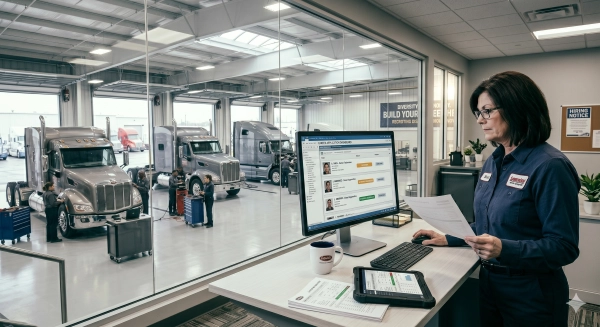
Listing every facility and every open position on the site counts too. A big fleet with multiple depots can leverage easy location filters so local applicants know which site is closest and what shifts are available.
Location‑specific landing pages help. Each one can display local pay rates, typical work, and connections to local colleges or OEM‑sponsored programs that supply apprenticeships right back into that shop.
Reviews back this entire tier. Shops can encourage customers and existing techs to post genuine reviews that reference training, tidy workbenches, or good management. Great reviews can enhance local rankings and give candidates a sense ahead of time before they apply.
3. Engage on Social Media
Social media provides a quick way to demonstrate real work and real people. Whether it’s technician success stories, graduation photos from OEM academies, or short clips from in-house training, it demonstrates the shop invests in skills, not just bay space.
Targeted campaigns can reach groups who might not see diesel as a path yet: young people still choosing careers, women who already work around trucks, or veterans with mechanical backgrounds. Ads and posts can talk to guidance counselors, community college staff, and military separation officers, so they spread the word about technician careers as a stable choice with great pay and worldwide need.
Interactive content prevents this from seeming like one-way marketing. A live Q&A with a senior technician or a virtual walk-through of diagnostic steps on a state-of-the-art engine can address real questions about tools, shifts, and growth. When shops post these events on LinkedIn, they can reach seasoned techs, feature promotion journeys, and direct web training that bridges generational knowledge gaps.
4. Target with Paid Ads
Paid ads assist shops in reaching people who are already looking to move. Job board, search, and social ads can link directly to a straightforward application or quick ‘consult a recruiter’ form, accelerating the hiring process.
Audience segments make these ads pertinent. For example, a shop could establish one segment for master technicians within 30 km, another for entry-level talent near technical schools, and another for followers of OEM pages or training brands. Each group receives copy appropriate to its skill level and interests.
This is where A/B testing matters. Tweak one thing at a time, be it headline, image, or call to action, and you discover what generates more qualified candidates and less unqualified click-throughs. Clear tracking across channels then illustrates what ads result in interviews and hires, so budgets flow toward the top performing mix of keywords, platforms, and regions.
5. Showcase Your Culture
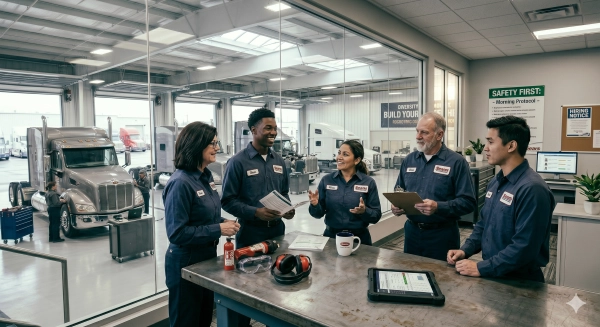
Tales of promotion and education are significant for the distant future. Shops can tell stories about how online courses, OEM modules, and blended programs helped techs leap from PM to advanced diagnostics on emissions systems or electric drivetrains. These same digital tools minimize the need for veteran techs to impart all lessons in person. Learning platform data helps managers optimize training initiatives to fill skill gaps.
At an industry level, a common, brand-neutral digital campaign can drive the message that today’s techs handle laptops and data as handily as they do wrenches. When lots of shops, schools, and OEMs use the same channels to promote this view and direct toward OEM-sponsored programs that put thousands of students into careers each year, it becomes a prestigious field. Over time, a robust footprint online on data, career ladders, and transparent reverence for safety, diversity, and innovation can increase the aggregate pick of this craft.
Beyond Recruitment: Digital Retention
Digital retention is about using digital tools not just to recruit diesel techs, but to keep them engaged in learning, connected to each other, and proud of their craft. This counts because turnover is rampant across the transport industry, and each new employee can require around 357 hours of employer-paid training before they are truly productive.
Fostering Community
These online spaces can assist technicians in not feeling isolated, particularly within sizable fleets or multi-location operations. Private chat groups, forums, or channels within popular platforms provide techs with a space to exchange repair advice, post diagnostic screenshots, and discuss novel electronic systems that can seem intimidating during those initial months on the job. That is helpful for new techs who might not possess hands-on confidence with sophisticated diagnostics and “rolling computer” truck platforms.
Boutiques can host virtual events that foster a sense of shared culture. Webinars with senior techs, brief live streams of cool fixes, or online skills competitions inspired by master-chef contests keep skills sharp and add some healthy competition. It promotes apprenticeship routes, where completion corresponds with significantly reduced churn at roughly 6.9%, or more than half the average.
Digital channels are great for internal and external recognition. Putting up a ‘tech of the month’ profile on social feeds or the intranet, or sharing pictures of clean, well-lit bays helps alter the old perception that diesel work is always grueling, dirty and dangerous. It’s a strong signal that the shop cares about a safe, organized workspace, not a chaotic one that repels people.
Mentoring doesn’t have to be confined to one building. Easy digital matching between new hires and veteran diesel mechanics, along with scheduled video check-ins, allows junior techs to ask questions they might be reluctant to bring up in person. This can be particularly critical for women technicians and other minorities who continue to comprise less than 4% of maintenance and tech roles and might be observing intently to determine if there’s genuine support.
Reinforcing Value
Digital tools can assist in linking everyday work to the larger context. Brief internal messages, dashboards or videos can illustrate how many trucks a team kept roadworthy in a month or how that work preserved delivery times and supply chains. When technicians view their work in critical transport networks, the job becomes more meaningful and less like random repairs.
Story based updates work. A straightforward post outlining how a crew figured out a hardwired electronic fault, averted a roadside breakdown and kept a rig on schedule speaks specifically to the pride most techs already have. It demonstrates the degree of computer expertise now required, which assists in shifting the perception of the trade among both existing personnel and potential new hires.
Nothing like public praise, delivered online, to back up private recognition. Nothing says you value someone more than development opportunities, beyond recruitment: digital retention. Well done, it keeps recognition equitable and results-driven, not just to who shouts the loudest.
Retention further increases when learning is convenient. A digital library of training modules, links to certification programs, and up-to-date technical bulletins allows technicians to study at their own pace, whether on or off shift. This enables structured upskilling and apprenticeships, which boost confidence, support women and men coming in from non-traditional paths, and reduce the risk that overwhelmed new recruits will resign.
Internal Storytelling
Internal storytelling can unite data, careers and culture. Brief video or written testimonials from existing technicians on their training path, their initial months on advanced systems, and how they mastered diagnostics provide new hires something tangible to measure their uncertainties against.
Easy case studies can display wage growth alongside skills growth. A narrative could follow an apprentice who entered with low training, completed his required 357 hours under mentorship, entered a journeyman track, and is now at an intermediate position with a higher salary and steadier hours. These stories highlight how all the investment in clean shops, modern tools, and digital training pays off for both sides.
By showcasing examples of techs who progressed from entry-level to master technician, trainer, or shop manager, the career ladder becomes tangible. When these paths are presented in internal portals or learning platforms with milestones and recommended courses, technicians view a concrete step-by-step path forward instead of a nebulous promise. That clarity is a potent answer to turnover because folks are more likely to stick around where they can envision themselves.
Reshaping the Career Narrative
From Grease to Gadgets
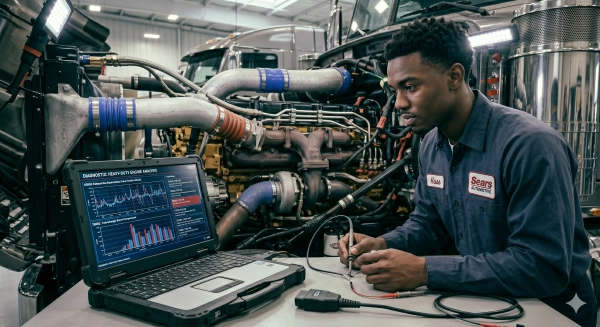
Modern diesel work resembles applied electronics and data more than it does raw brawn. A technician could hook into a truck’s e-control unit, pull fault codes on a laptop, check live sensor data and then hunt down a failure through wiring diagrams and multiplexed systems. I don’t know, they send them in with high-end scan tools, oscilloscopes, calibration devices and hand tools.
That’s a steep pivot away from traditional, largely hands-on tasks like strictly mechanical fuel pump tune-ups or straightforward brake jobs. Today, that very same brake system might have electronic stability control, telematics links, and smart wear sensors. Rather than simply turning wrenches, techs manage software updates, parameter adjustments, and diagnostics linked to networked fleet platforms.
Solid experience with chassis systems, high‑pressure common‑rail fuel systems and emission controls is now fundamental, and lots of shops are encountering increased volumes of hybrid or alternative-fuel vehicles. A technician can flip in a day from a diesel tractor to a CNG truck, which has very different safety and test procedures.
Shops that embrace this shift often attract techs who desire growth. When a workshop demonstrates it leads in new engine platforms, supports early training on electric trucks, and pays for part of the training, which can be almost equivalent to a week’s salary, it indicates that this is a career with a future, not a dead-end trade.
A Path to Mastery
A transparent career ladder combats the perception that construction and agriculture provide more variety and better pay for additional training. One model begins with a truck prep technician and advances to service technician, senior or lead technician, and then on to shop supervisor, maintenance manager, or even a maintenance vice president. At the elite tech level, a few shoot for ASE World Class Technician.
Shops can map out each step with simple, visible rules: required hours, skills checklists, and pay ranges. They can collaborate with regional training centers or equipment maker programs and establish reimbursed training days instead of requiring techs to volunteer their time. This mitigates the danger that training, which can cost as much as a week’s pay, feels like an imposition.
Stories make the ladder tangible. A senior tech who began swabbing bays went on to get electrical and chassis certifications and now heads up a team provides a tangible image of progression. By sharing these paths, new hires can look beyond their initial job title.
Core skill tracks could be diagnostics, electronics, driveline, brakes and suspension, refrigeration units or alternative powertrains. With that sort of architecture, rotating duties and getting folks out of permanent third shift can be portrayed as intentionally orchestrated growth, not arbitrary shuffling.
The Essential Professional
Diesel technicians keep transport and supply chains moving, from food and medicine to building materials. When they’re short-staffed, trucks sit, delivery times slide and the broader economy is impacted. They are at the heart of safe trucks and trailers, but many still feel the role is considered “back room” work.
Technicians cite wages, hours, tool expenses, and working conditions as frequent causes for departure, and while many say higher wages attracted them, it ranks low in actual contentment. When they think other industries reward additional skills with higher pay and more interesting work, attrition is no wonder.
Professional standards assist in moving this. Defined qualification pipelines, ongoing paid internships, and realistic job previews for junior positions minimize the expectation and reality divide. When managers supplement with overlooked moves such as rotating tasks and relieving long-term night shifters, they communicate respect and long-term commitment.
Measuring Your Digital Impact
In diesel technician recruiting, measuring digital impact is about measuring how effectively your online efforts convert to actual qualified, long-term hires. It begins with key objectives such as cost per hire, time to fill, retention at 12 months, and technician productivity, and connects them to concrete data from Google Analytics, social networks, and email metrics. A simple checklist can keep this on track: define hiring and retention goals, list your digital channels, set key performance indicators for each, choose tools to collect data, review results monthly, and adjust your strategy. Pay attention to the numbers, including traffic, conversion, and ROI, and the feedback from candidates and managers so you understand not only how many people you impact, but if they are the right techs for your shop.
Application Sources
- Job boards and aggregators
- Company career site and SEO‑optimized landing pages
- Social media platforms and niche technician groups
- Industry forums and online communities
- Email campaigns and talent newsletters
- Trade school and training provider portals
- Employee referral links with trackable URLs
Monitor the number of applications you receive from each source on a monthly basis, having implemented unique tracking links and source fields on the application form. Track not just quantity but how many progress to interview, offer, and hire stages, so you get actual conversion rates.
Do a quarterly audit to identify the sources that attract techs who have been active for 12 or 24 months and achieve target performance. Redirect budget and effort to sources that deliver steady and effective diesel techs, and eliminate or reorganize channels that deliver high volume but low quality or transient hires.
Engagement Metrics
Online engagement indicates whether diesel techs see and believe your message. Measure likes, shares, comments, and click-throughs on job posts, day-in-the-life, or training videos targeted at techs with integrated social analytics. Track time on your career pages, scroll depth, and application completion rates in Google Analytics to identify friction points that result in drop-off.
Measure sign-ups and attendance for virtual job fairs, webinars, or Q&A sessions held with workshop leaders. Combine this with email open and click rates for technician mailing lists, so you see which topics move people to act.
Leverage these metrics to experiment with variations in content quality, page layout, and phrasing. For instance, pit response when you emphasize steady hours versus state-of-the-art diagnostic tools and save the one that increases both engagement and applications completed.
Quality of Hire
| Channel | 12-month retention | Time to full productivity | Supervisor rating (1 to 5) |
| General job boards | 60% | 6 months | 3.2 |
| Niche tech platforms | 78 percent | 4 months | 4.1 |
| referral program | 85 percent | 3.5 months | 4.4 |
| Trade schools | 72% | 5 months | 3.8 |
Collect organized input from managers and leads on new techs at 3, 6, and 12 months regarding technical abilities, safety behaviors, collaboration, and eagerness to learn. Connect this feedback back to the originating channel in your ATS so you can contrast quality of hire, not just cost.
Use these quality metrics to hone where you invest dollars and hours, even if some channels deliver fewer candidates but better fit and longer tenure. Establish clear milestones for skill development, certifications, and training. Then maintain them as KPIs for both recruitment and retention.
Partnering for a Stronger Workforce
Partnering with diesel repair shops starts with a clear goal: help them stand out online so they can draw in the right technicians, not just more applicants. Our industry requires approximately 25,000 new techs per year through 2030, but lots of shops continue to use word of mouth, simple job posts, or outdated referral practices. Digital marketing can serve as an actionable bridge between actual shop requirements and the diminished pool of talented individuals seeking such positions.
Tailored digital outreach can demonstrate what makes one shop a great place to work over another, beyond base pay. While higher pay is the primary reason a lot of techs get into the field, it comes much lower down the list later on when it comes to job satisfaction. That gap hints at a deeper story: techs care about the work they do, the tools they use, and how they are treated. Targeted campaigns might showcase clean bays, transparent scheduling, training paths, or new tools, all of which address those desires in a very direct sense. For instance, a brief video tour of the shop combined with detailed role descriptions frequently speaks louder than an extended job posting.
Employer branding is at the heart of this. Shops win when they demonstrate how they support new techs in concrete ways. A lot of techs come in with no training, and it might take approximately 357 hours of training and approximately USD 8,211 in trainee wages to fully get them trained. Meanwhile, even among trained graduates, over 30 percent are perceived as unprepared in 20 essential skills. Nice branding doesn’t obscure this; it establishes realistic expectations about mentoring, skill gaps, and how the shop intends to close them.
Powerful campaigns can address long-term development and retention. The typical diesel mechanic is 45 years or older, and an increasing number are nearing retirement. We have regions with more program graduates than jobs and other regions that can’t fill open roles at all. Shops in competitive markets must demonstrate how they retain new hires beyond the perilous first two years, when long hours, compensation concerns, and unmet expectations drive them away. Hidden gems, such as cross training so juniors aren’t forever stuck on dumb work or assisting techs transition off night shift after years, can be packaged into powerful statements in recruiting copy, new hire messaging, and internal newsletters.
With continued marketing support, shops can experiment to see which messages work in their region. In one market, focusing on pay bands can attract notice. In the other, demonstrating a trajectory from assistant to lead technician in three to five years could do more. By monitoring who applies, who remains, and who thrives, retailers and their marketing collaborators can tweak campaigns, optimize job pages, and design straightforward retention initiatives that address actual issues rather than speculation.
Conclusion
The diesel tech shortage won’t magically disappear. Shops, fleets, and schools that adopt sharp digital tools will be in a stronger position than those who delay.
Intelligent online search, transparent job pages, and consistent social posts get the right people to your shop. Basic email flows and candid crew tales keep them around. A new trade story attracts new trade talent who might not be looking your way yet.
Small steps count. Update a page. About diesel technician shortage. Follow one crucial number.
To transition from concepts to actionable next steps, begin with a single change this week and outline your next three actions for the upcoming quarter.
Frequently Asked Questions
Why is there a diesel technician shortage right now?
There’s high demand for diesel equipment and too few trained technicians. Lots of older technicians are retiring and fewer young people are going into the trade. Old career stereotypes and restricted training availability further complicate efforts to close open positions.
How can digital marketing help solve the diesel technician shortage?
Digital marketing puts you in front of candidates where they’re already hanging out online. It focuses on your culture, compensation, benefits, and advancement opportunities. With specific campaigns, you can engage students, career changers, and veteran techs and funnel them straight into your hiring pipeline.
What digital marketing channels work best for recruiting diesel technicians?
Search ads, social media, job platforms, and your own website are the most effective channels. Search reaches people who are currently looking for work. Social media and video reach passive applicants. Your website and landing pages convert curiosity into applications.
How does digital retention differ from traditional retention efforts?
Digital retention employs online resources to capture technicians. Think intranet apps, virtual training, shoutout posts, and survey forms as examples. These enhance your existing initiatives and demonstrate to technicians they are appreciated, backed, and listened to.
How can shops reshape the career image of diesel technicians online?
Put actual technicians, actual jobs and actual success stories on display. Leverage videos, day-in-the-life content and transparent salary and advancement info. Emphasize new tools, training and safe, clean workspaces. That combats old stereotypes and brings in a younger, more diverse talent pool.
How can we measure if our digital recruiting is working?
Track key metrics: website visits to career pages, job ad clicks, completed applications, cost per application, and time to hire. Track quality of hire and first-year retention. Apply this information to hone your targeting, messaging, and channels.
Why partner with a specialist agency for diesel technician recruiting?
A specialist agency knows the diesel industry, candidate behavior, and the best digital channels. They bring battle-tested tactics, fine-tuned campaigns, and relentless testing. This efficiency saves hours, slashes hiring expenses, and fills urgent positions with much greater speed and reliability.